Women Home Buyers Guide for Hoskote Apartments 2026

Buying an apartment in Hoskote as a woman, whether independently or as the primary applicant in a joint purchase, comes with a set of financial advantages that are worth understanding before you close the deal. Karnataka law offers a direct stamp duty rebate for women buyers. Several public sector banks provide a concessional interest rate. Joint ownership with a home loan can double the income tax deductions for a household. And government schemes like PMAY (Pradhan Mantri Awas Yojana) require a woman's name on the property for eligibility. None of these benefits are automatic, they depend on how the sale deed and loan application are structured. This guide explains each benefit, shows the actual rupee impact on a typical Hoskote apartment purchase, and gives a checklist specifically for single women buyers navigating the process independently.
Karnataka Stamp Duty Rebate for Women Buyers
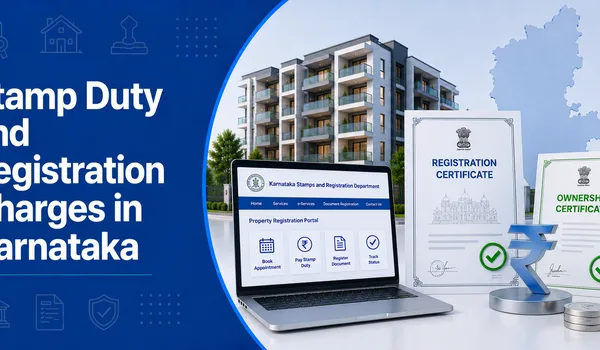
Under the Karnataka Stamp Act, properties registered solely in a woman's name, or where a woman is the first named applicant in the sale deed, attract a 1 percentage point reduction in stamp duty. This is the most direct and guaranteed financial benefit for women buyers in the state.
Standard stamp duty rates in Karnataka as of 2026 are structured as follows: 2% for properties with a guidance value below ₹20 lakh, 3% for ₹20 lakh to ₹45 lakh, and 5% for properties above ₹45 lakh. The 1% rebate for women applies as a deduction from these rates. Since most apartments in Hoskote's branded gated projects are priced above ₹45 lakh, the applicable stamp duty for a woman buyer in this segment is 4% instead of the standard 5%.
| Property Value | Standard Stamp Duty (Male / Joint) | Women Buyer Stamp Duty | Saving |
|---|---|---|---|
| ₹60 lakh | 5% = ₹3,00,000 | 4% = ₹2,40,000 | ₹60,000 |
| ₹75 lakh | 5% = ₹3,75,000 | 4% = ₹3,00,000 | ₹75,000 |
| ₹90 lakh | 5% = ₹4,50,000 | 4% = ₹3,60,000 | ₹90,000 |
| ₹1.10 crore | 5% = ₹5,50,000 | 4% = ₹4,40,000 | ₹1,10,000 |
Registration charges (1% of guidance value) are the same regardless of gender and are not shown above. Verify applicable rates at the Hoskote sub-registrar office before finalising, as rates are subject to government revision.
To claim the rebate, the sale deed must name the woman as the sole buyer or as the first applicant (where the property is in joint names). If a man is listed as the first applicant and a woman is the second, the rebate is not available. Make sure the conveyancing documents are structured correctly from the start. Discuss this explicitly with the developer's documentation team before the sale agreement is executed.
Home Loan Concession for Women Borrowers
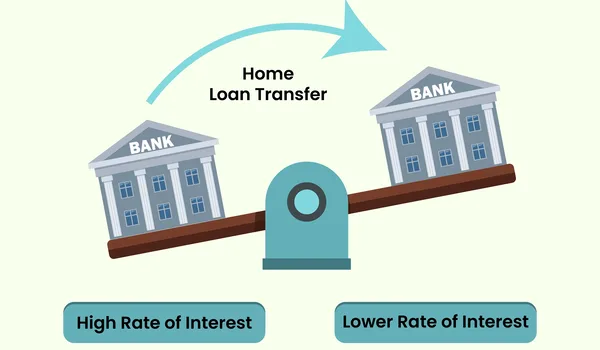
Several public sector banks extend a concessional home loan interest rate when the primary applicant or co-applicant is a woman. This concession is typically 0.05 percentage points (5 basis points) below the standard home loan rate offered to other applicants with the same credit profile.
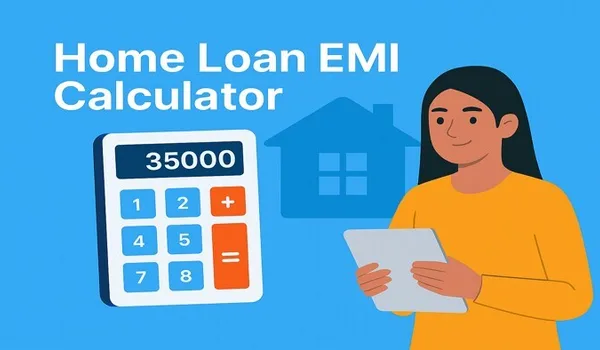
While 0.05% sounds small, on a large loan over a long tenure the cumulative saving is meaningful. On a ₹55 lakh home loan at 8.5% over 20 years, the EMI is approximately ₹47,900. At 8.45% (with the women's concession), the EMI drops to approximately ₹47,750, saving around ₹150 per month or ₹36,000 over the loan tenure. The saving grows with the loan amount: on a ₹80 lakh loan at the same tenure, the 0.05% concession saves approximately ₹50,000 to ₹55,000 over 20 years.
Banks that commonly offer this concession in Karnataka include State Bank of India (SBI Her Ghar), Bank of Baroda, Canara Bank and Union Bank of India. Private banks and housing finance companies vary, so it is worth asking your lender explicitly whether a women's concession applies to your loan type and loan amount. Confirm in writing at the time of loan sanction rather than assuming the rate is correctly applied.
Income Tax Benefits Through Joint Ownership
One of the most significant but least understood financial benefits for women buying property is the ability to double household income tax deductions through joint ownership with a co-borrower on the home loan.
When a property is jointly owned and both owners are co-borrowers on the home loan, each owner can independently claim tax deductions in proportion to their ownership share. The two key deductions are:
- Section 80C (principal repayment): up to ₹1.5 lakh per co-owner per year. With two co-owners, the household deduction is up to ₹3 lakh per year.
- Section 24b (home loan interest): up to ₹2 lakh per co-owner per year for a self-occupied property. With two co-owners, the household deduction is up to ₹4 lakh per year.
In practice, a working couple who jointly own a Hoskote apartment and are both co-borrowers on the home loan can each claim these deductions independently in their individual income tax returns, effectively reducing their combined taxable income by up to ₹7 lakh per year (₹3 lakh under 80C plus ₹4 lakh under 24b). In the 30% tax bracket, this translates to a combined annual tax saving of up to ₹2.1 lakh, which compounds substantially over the loan tenure.
The critical requirement for both owners to claim independently is that both must be co-borrowers on the home loan (not just co-owners on the property title). A co-owner who is not a co-borrower cannot claim the loan-interest deduction under Section 24b, even if their name is on the sale deed. Structure both the property registration and the loan application with both parties as co-owners and co-borrowers to unlock the full dual-deduction benefit.
PMAY Eligibility and Women's Co-Ownership Requirement
The Pradhan Mantri Awas Yojana (PMAY) Credit Linked Subsidy Scheme (CLSS), under which eligible first-time home buyers receive an interest subsidy on their home loan, includes a women's ownership condition for EWS (Economically Weaker Section) and LIG (Lower Income Group) categories. For these categories, PMAY requires that the property be registered in the name of a female member of the household or jointly with a female member. Male-only registration disqualifies the household from CLSS in these categories.
For the MIG I and MIG II (Middle Income Group) categories, the women's ownership requirement has been more flexible across scheme revisions. However, the income limits and subsidy amounts for PMAY 2.0 (the extended scheme covering 2024 to 2027) are periodically updated by the Ministry of Housing and Urban Affairs. Verify the current guidelines with your lender and with the K-RERA portal before assuming eligibility, as scheme terms may have changed between the date of this article and your purchase date.
Legal Ownership Rights for Women Buyers in Karnataka
A woman registered as the sole or co-owner in the sale deed has full, equal legal ownership rights to the property in Karnataka. This is not a ceremonial or nominee status: it is enforceable ownership under the Transfer of Property Act and the Registration Act. A woman co-owner can sell, mortgage, inherit, gift or transfer the property with the same rights as any other co-owner. In the event of the death of a co-owner, the property interest is transferred by succession laws (Hindu Succession Act for Hindus, relevant personal law for others) or by will, not automatically to the surviving co-owner unless the property is held in joint tenancy with a right of survivorship clause, which must be explicitly stated in the sale deed.
For women buying as sole owners, it is advisable to consult a property lawyer in Hoskote or Bengaluru to prepare a will that clearly specifies how the property should be distributed in the event of death. The sub-registrar's office does not automatically handle succession; a registered will or a letter of administration from a court is required for the property to pass to the intended beneficiary. This is relevant for all sole owners but particularly important for single women buyers who may not have automatic inheritance provisions in place.
Sole Ownership vs Joint Ownership: The Trade-Offs
| Consideration | Sole Ownership (Woman Only) | Joint Ownership (Woman + Co-Owner) |
|---|---|---|
| Stamp duty rebate | Yes (1% reduction) | Yes, if woman is first applicant |
| Income tax deduction (Section 80C + 24b) | Claimed by woman only (up to ₹3.5 lakh/yr) | Each co-owner claims independently (up to ₹7 lakh/yr combined) |
| Home loan eligibility | Based on woman's income alone | Combined income; typically higher loan amount |
| PMAY eligibility | Yes (woman sole owner) | Yes (woman as first/co-applicant) |
| Succession on death | Passes per will / succession law | Co-owner's share passes per will / succession; woman's share is hers |
| Decision autonomy | Complete; no co-owner consent needed for sale / mortgage | Co-owner consent required for sale / mortgage (unless documented separately) |
For a single working woman with sufficient income, sole ownership is simpler: complete decision autonomy, full stamp duty rebate, and no dependency on a co-owner's consent for future transactions. Joint ownership is strategically better for couples or parent-daughter co-purchases where the combined income improves loan eligibility and the dual tax deduction is meaningful.
Checklist for Single Women Buyers in Hoskote
- Confirm with the developer that the sale deed names you as the sole applicant to secure the stamp duty rebate at registration.
- Ask your bank explicitly whether the women's home loan concession rate applies and request confirmation in the loan sanction letter.
- Verify RERA registration of the project at K-RERA portal before signing any booking form.
- Check whether you are eligible for PMAY CLSS subsidy based on your income category and first-time buyer status.
- Engage a property lawyer in Bengaluru or Hoskote to review the sale agreement, particularly the possession date, penalty clauses and force majeure provisions.
- Register your will with a court or at least draft a notarised will specifying who inherits the property.
- Ensure the loan repayment plan fits your single income without over-stretching, as there is no co-borrower income to fall back on in a contingency. The standard guideline is that total EMI obligations should not exceed 40% to 45% of your net monthly take-home.
- Open a dedicated bank account or recurring deposit for advance EMI payments so you always have two to three months of buffer.
Featured Hoskote Projects
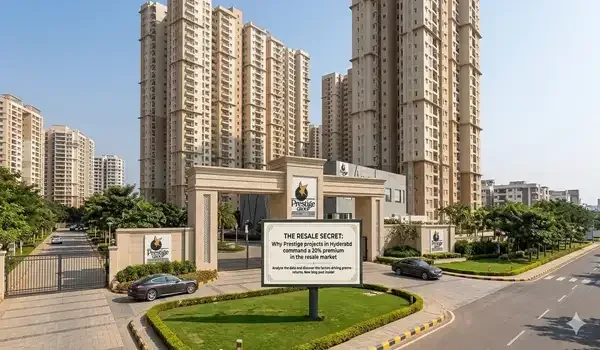
Prestige Hoskote
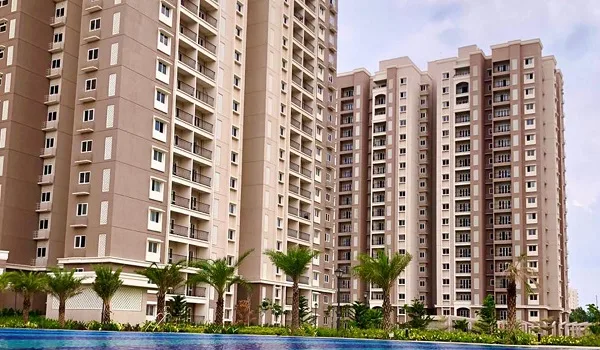
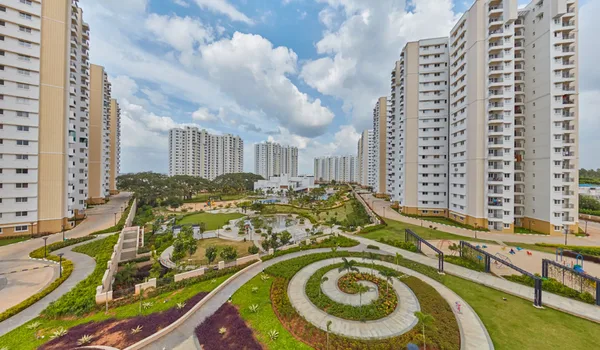
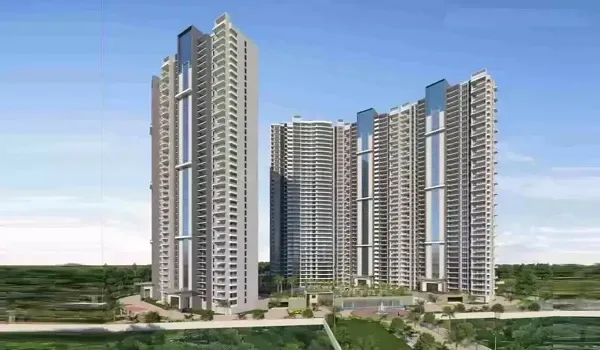
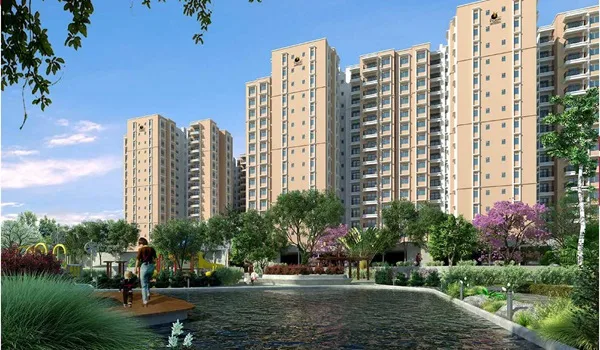
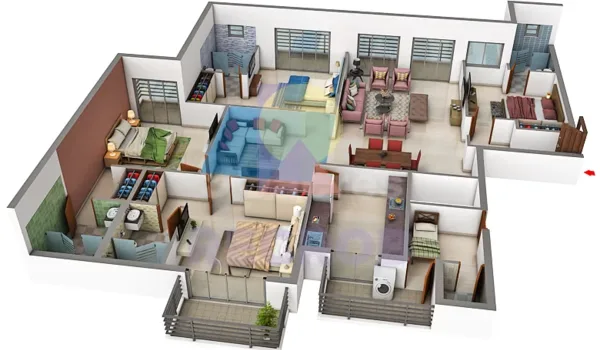
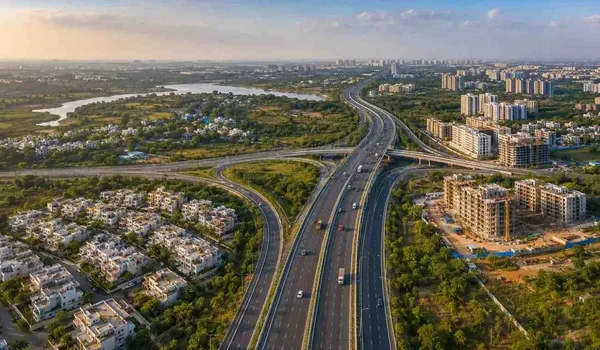
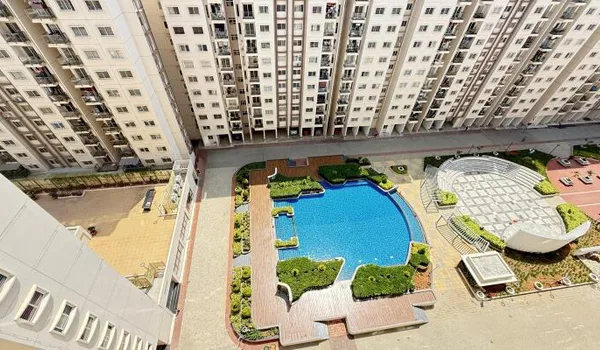
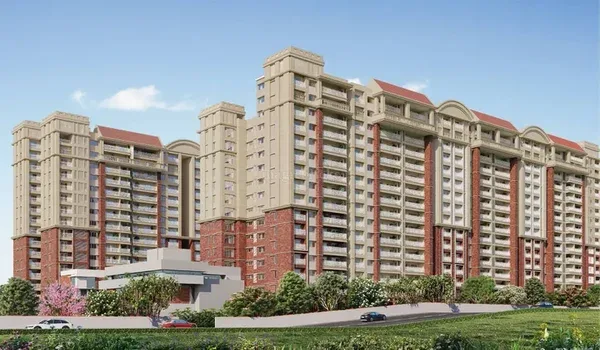
Prestige Hoskote is the flagship pre-launch township on the NH-75 outer-east corridor by Prestige Group. For women buyers evaluating Hoskote, a Prestige project offers the brand assurance, RERA compliance, transparent documentation and structured payment plans that reduce the transaction risk of a pre-launch purchase. The large township scale also means gated security, on-site amenities and a managed community environment. View the floor plans, price list and location, and book a site visit to assess the project and discuss your specific purchase structure with the team.
Sobha One World
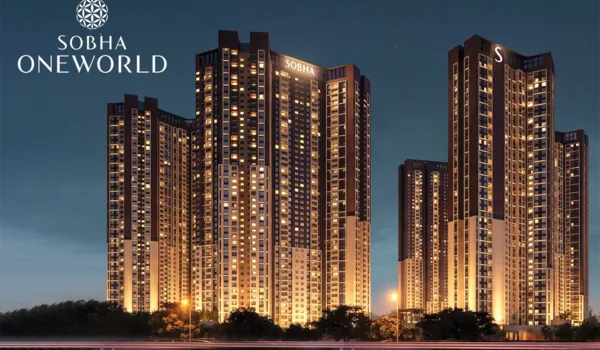
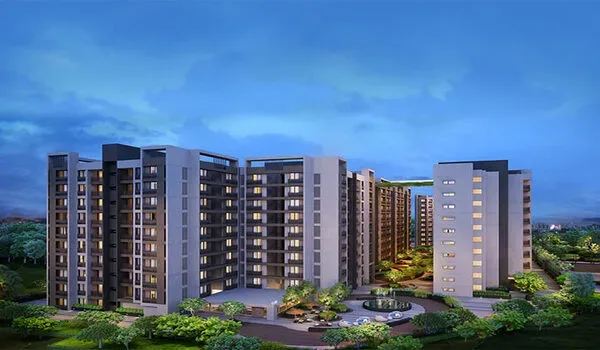
Sobha One World is an active launch in Hoskote by Sobha Ltd, known for in-house construction quality and a strong delivery track record. Sobha's transparent allotment letter, agreement and possession processes are relevant for sole women buyers who want a developer unlikely to create documentation disputes. Sobha also has dedicated home loan tie-ups with major banks where the loan process is streamlined, which can simplify the financing step for a first-time buyer.
Godrej Parkshire
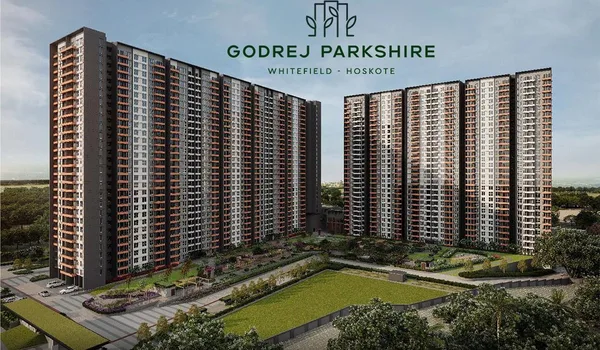
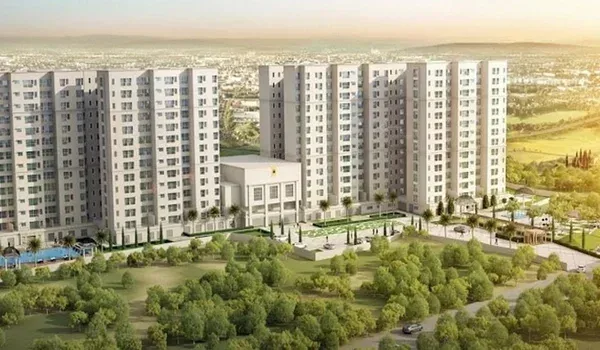
Godrej Properties is recognised for structured and transparent transaction processes across its launches in Karnataka. For women buying a property in their own name or as the first applicant in a joint purchase, Godrej's documentation team typically ensures the sale agreement correctly identifies the buyer structure from the outset, reducing errors that could affect stamp duty rebate eligibility at registration. Parkshire in Hoskote carries Godrej's standard compliance framework.
Confident Cygnus
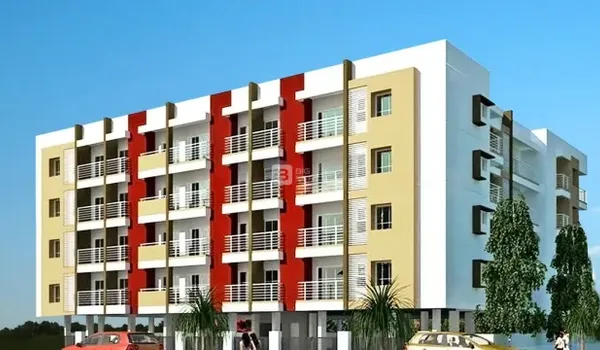
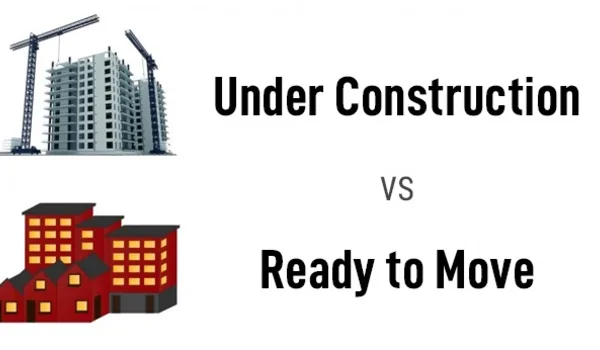
For women buyers who want to avoid under-construction risk and need to move in or see a finished product before committing, Confident Cygnus is a ready gated community in Hoskote available for resale. In a resale purchase, the stamp duty rebate still applies when the woman is registered as the sole or first-named buyer in the resale sale deed. Verify the A-Khata status, encumbrance certificate, OC and khata transfer process with the seller's lawyer before proceeding.
Sowparnika Purple Rose
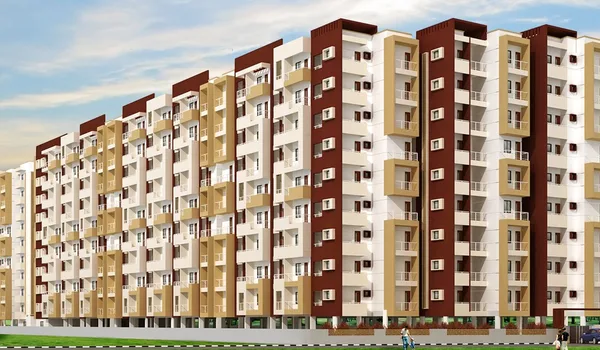
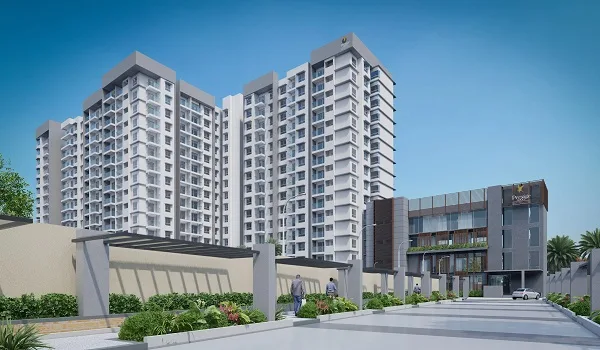
Sowparnika Purple Rose serves the value-budget segment and is accessible to women buyers who need to keep the total purchase cost within a tighter range. The stamp duty rebate is proportionally more significant at a lower price point from a cash-flow perspective. For a first-time woman buyer on a modest income making a sole purchase, this project offers a gated-format entry into Hoskote's residential market. Verify RERA registration and the project completion status before booking.
Maximising the Financial Advantage: A Summary
The combined financial benefit of the stamp duty rebate, home loan concession and income tax deductions makes registering an apartment in a woman's name one of the most practical and immediate ways to reduce the cost of buying property in Hoskote. On a ₹75 lakh apartment with a ₹60 lakh home loan over 20 years, a woman sole-buyer saves approximately ₹75,000 on stamp duty plus ₹30,000 to ₹50,000 in loan interest, totalling over ₹1 lakh in direct savings before counting the income tax benefit. For joint buyers, add the dual Section 80C and 24b deductions, and the household financial case for a joint ownership structure with the woman as the first applicant is clear. Structure your purchase correctly from the very first step, and confirm every benefit with your developer, sub-registrar and bank in writing. If you have specific questions about how a Prestige Hoskote purchase can be structured for a woman buyer, book a site visit and the sales team can walk you through the documentation process.
Frequently Asked Questions
1. Do women get a stamp duty rebate when buying an apartment in Hoskote?
Yes. Karnataka grants a 1 percentage point rebate: standard 5% stamp duty becomes 4% for a woman registered as sole or first applicant in the sale deed. On a ₹75 lakh apartment this saves ₹75,000. Registration charges (1%) remain the same. Verify the current rate at the Hoskote sub-registrar office.
2. What is the total stamp duty saving for women buyers in Hoskote?
The saving equals 1% of the registered property value. On ₹60 lakh: ₹60,000 saved. On ₹80 lakh: ₹80,000. On ₹1 crore: ₹1 lakh. Total outgo (stamp + registration) for a woman on a ₹75 lakh property is 5% versus 6% for a male-only registration.
3. Do banks offer lower home loan interest rates for women in Hoskote?
Several public sector banks including SBI, Bank of Baroda and Canara Bank offer 0.05% lower rates for women borrowers. On a ₹55 lakh loan over 20 years this saves approximately ₹30,000 to ₹50,000 in total interest. Confirm the concession with your specific lender in writing at sanction.
4. Can a single woman buy an apartment in Hoskote without a co-applicant?
Yes, fully. No male co-applicant or guarantor is required. All major Hoskote developers (Prestige, Sobha, Godrej) facilitate sole-applicant purchases. Adding a co-applicant can increase loan eligibility if income is borderline, but it is optional, not mandatory.
5. What is the income tax benefit for women who jointly own an apartment in Hoskote?
Each co-owner who is also a co-borrower can independently claim Section 80C (up to ₹1.5 lakh/year on principal) and Section 24b (up to ₹2 lakh/year on interest). A couple as co-owners and co-borrowers can together claim up to ₹7 lakh/year in deductions, roughly doubling the single-owner tax benefit.
6. Is a woman's name required for PMAY benefits when buying in Hoskote?
For EWS and LIG categories under PMAY, a woman must be sole or co-owner to qualify for the Credit Linked Subsidy Scheme. MIG category requirements are more flexible. Confirm your eligibility and the current PMAY 2.0 terms with your lender before proceeding, as scheme guidelines are revised periodically.
Prestige Hoskote Blog