Property Tax & Maintenance Charges in Hoskote 2026

Buying a flat is only the start of the cost story. Once you hold the keys, property tax in Hoskote and monthly apartment maintenance become a permanent line in your household budget. This guide explains the recurring cost of owning an apartment here in 2026: how property tax is assessed by the local body, why your Khata status matters, what monthly maintenance or CAM charges cover, and how to plan for water, electricity and association dues. Whether you are eyeing the flagship township Prestige Hoskote or a ready resale flat, the same heads of cost apply.
Prestige Hoskote is developed by Prestige Group, one of South India's largest builders, and like every project in the area it sits within a local municipal jurisdiction rather than under the Bengaluru city corporation. That distinction shapes how and where you pay tax. Before booking any home, always verify its registration on the K-RERA portal, then read on for the running costs that follow possession.
Property Tax in Hoskote — How It Works
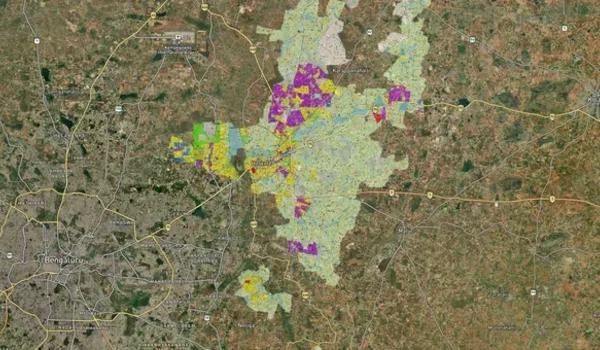
Property tax is an annual charge you pay to the local urban or rural body for owning real estate within its limits. Unlike inner Bengaluru, Hoskote is not governed by BBMP. The town and most of its formal apartment layouts fall under the Hoskote Town Municipal Council, often referred to as the CMC, while some peripheral or newer layouts on the fringes are administered by a Gram Panchayat. Knowing which body your flat belongs to is the first step, because it decides where you register, where you pay and which receipt is valid.
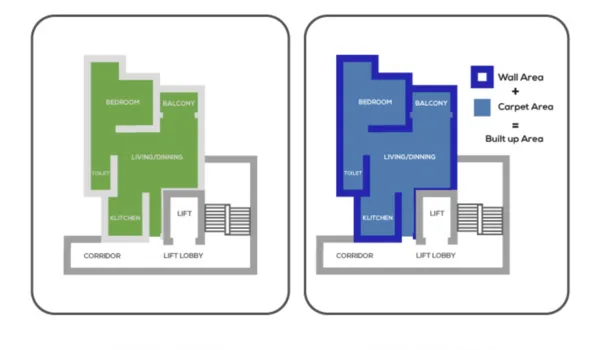
The tax itself is assessed on the built-up area of your apartment. The local body applies a rate, broadly along a unit-area-value style basis, that varies by zone and by how the property is used. A self-occupied home is usually taxed at a gentler rate than a let-out one, since rental use is treated as commercial-leaning. In practice the calculation multiplies the area by the applicable per-square-foot rate, adjusts for usage and the age or type of building, and arrives at an annual figure.
Tax is collected on an annual cycle, and most local bodies offer an early-payment rebate for those who clear the bill within the opening window of the financial year, with interest or penalty for late payment. You can pay either in person at the municipal office or through the body's online portal, where you look up your assessment by your property or Khata number and pay digitally. Because the rates, zones and rebate windows are revised from year to year, treat any figure you read online as indicative only and confirm the current rate and due date with the local municipal office before you pay.
Khata, A-Khata vs B-Khata
A Khata is the municipal record that identifies a property and its owner for the purpose of assessing and collecting property tax. It is not a title deed, but it is the document the local body uses to bill you, and it is closely scrutinised by banks and buyers. In and around Hoskote you will hear two terms repeatedly: A-Khata and B-Khata.
An A-Khata means the property is fully entered in the municipal register and complies with building, layout and tax norms. It allows smooth processing of home loans, building plan sanction, trade licences and resale. A B-Khata, by contrast, is a secondary register maintained for properties that carry some pending compliance, such as an irregular layout approval or unpaid charges. While a B-Khata owner can still pay tax, banks are cautious about lending against such properties and a future buyer may hesitate, which can depress resale value.
For an apartment purchase this matters a great deal. A clean A-Khata title supports your home loan application, protects resale liquidity and signals that the project's approvals are in order. When you shortlist a flat, ask the builder or seller for the Khata extract and confirm its category. If you are still weighing the wider one-time outlay of buying, our companion guide on stamp duty and registration charges covers the costs you settle at the time of sale, which sit alongside the recurring ones described here.
Apartment Maintenance & CAM Charges
After property tax, the largest recurring cost in a gated community is maintenance, often called CAM, short for Common Area Maintenance. It is usually billed monthly and charged per square foot of your flat's area. In Hoskote, gated projects typically levy about ₹2 to ₹4 per sq ft per month in 2026, so a 1,200 sq ft apartment might attract roughly ₹2,400 to ₹4,800 a month, with premium townships sitting at the upper end because they run richer amenities.
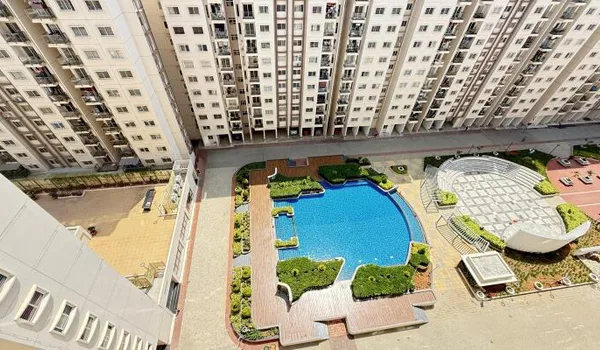
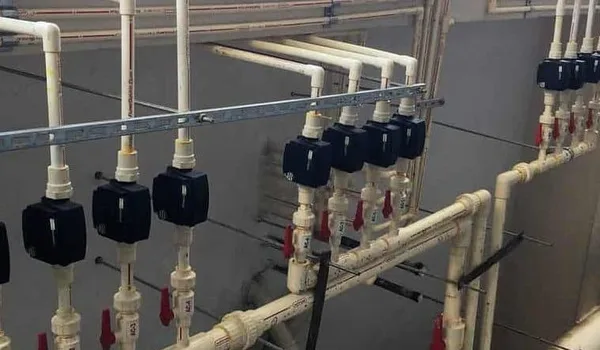
Maintenance pays for the shared services that keep a community running. Typical inclusions are round-the-clock security, upkeep and cleaning of common areas, lift operation and servicing, common-area water supply, clubhouse and swimming-pool running costs, landscaping, and diesel or power backup for common services and sometimes individual flats. Larger amenity decks, such as a gym, sports courts and indoor games, push the per-square-foot rate higher because they cost more to staff and maintain.
At the time of possession you will also pay a one-time corpus or sinking fund. This is a lump sum, held by the community as a reserve, that funds major future repairs and replacements, lift overhauls, exterior repainting, plumbing and structural work, so that owners are not hit with a sudden large levy when big-ticket items wear out. It is separate from your monthly maintenance and is collected once.
In the early period after handover, the builder usually manages maintenance directly and bills owners. Over time, residents form a Resident Welfare Association, or RWA, which then takes over the budget, vendor contracts and collection. A well-run association keeps charges transparent, maintains the corpus and decides how the community spends. The shift from builder-managed to association-managed maintenance is a normal milestone, and it is worth asking a project how far along that transition is.
Other Recurring Costs
Beyond tax and maintenance, two everyday utilities round out the picture. Water is sometimes part of common maintenance but metered or top-up tanker supply can be billed separately, especially in the dry months. Electricity for your own flat is billed directly by the power utility on your meter, while the share of power for common services is folded into maintenance. Finally, the association may levy a modest annual charge for administration, audit and shared insurance. None of these is large on its own, but together they add up across a year and belong in any honest ownership budget.
Recurring Cost of Owning a Flat in Hoskote 2026 — Indicative Heads
| Cost head | Basis | Indicative amount |
|---|---|---|
| Property tax | Annual, on built-up area, zone & usage (local body) | ~₹3,000–₹15,000 per year |
| Monthly maintenance / CAM | Per sq ft per month | ~₹2–₹4 per sq ft/month |
| Corpus / sinking fund | One-time, at possession | ~₹50–₹150 per sq ft (one-time) |
| Water & electricity | Own use, metered / utility billed | ~₹1,500–₹4,000 per month |
| Association annual charges | Yearly, admin / audit / insurance | ~₹1,000–₹5,000 per year |
Tax rates, maintenance and charges are indicative, as of June 2026 — they vary by zone, project and year; confirm with the local municipal office, the builder and the apartment association.
What It Means at Hoskote Projects
The exact bill depends on the project you choose, its size, amenity level and the stage of its association. The three communities below illustrate the spread, without quoting specific fees, since published rates change and are best confirmed with the builder.
Prestige Hoskote
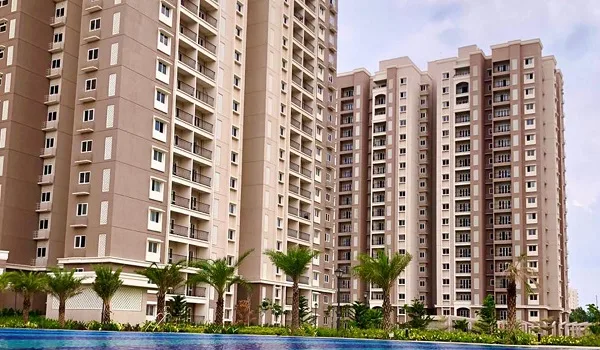
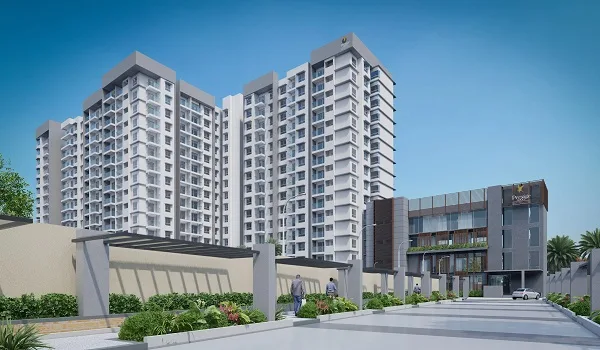
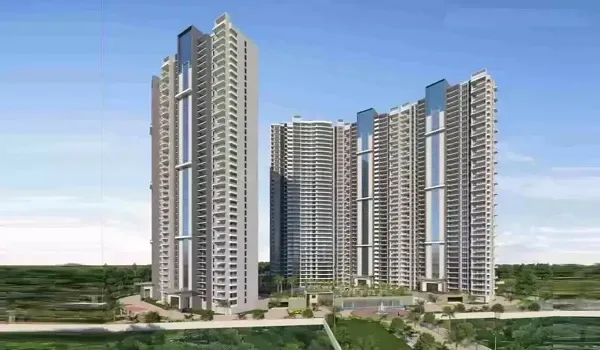
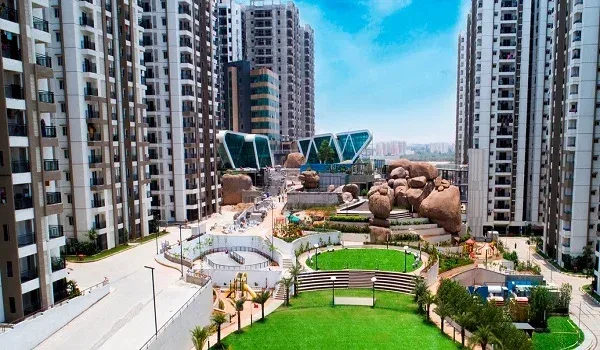
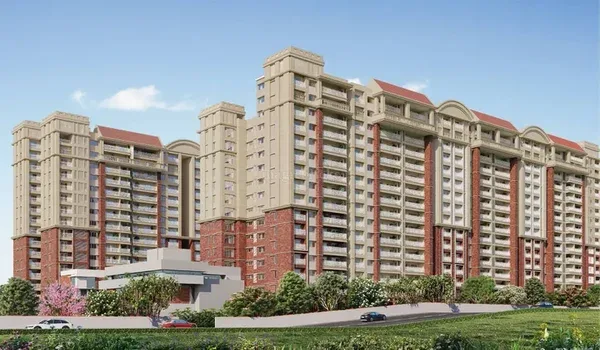
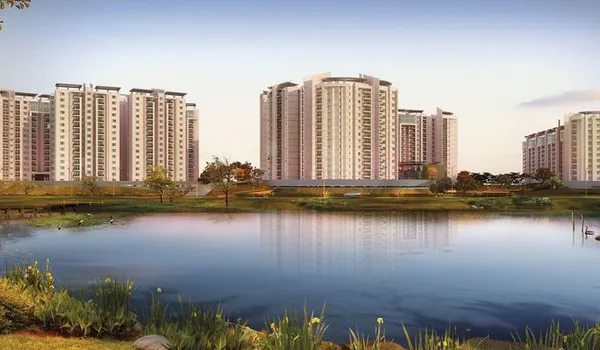
Prestige Hoskote is a branded gated township by Prestige Group at Dalasagere off NH-75 in Hoskote, with 2, 3 and 4 BHK apartments across multiple towers. As a premium township with an extensive amenity deck, its monthly maintenance or CAM is likely to sit at the higher end of the local range, reflecting the security, clubhouse and common-area services that a large branded community runs. Buyers should ask for the indicative CAM rate and the one-time corpus at the time of booking and treat any quoted figure as provisional until confirmed.
Sobha One World
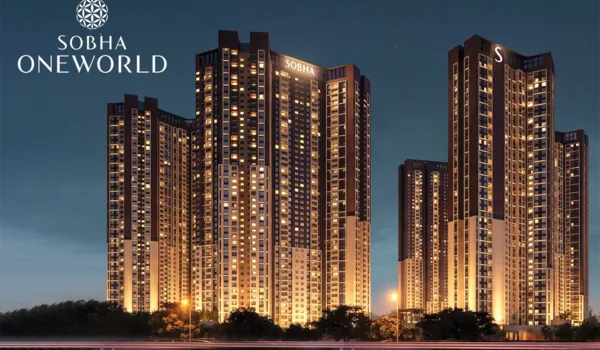
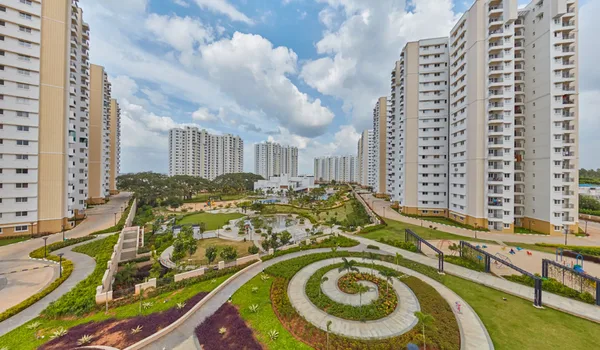
Sobha One World is a large township in the Hoskote corridor, planned across an extensive land parcel with 1 to 4 BHK apartments. A community of this scale typically carries a structured maintenance budget, with charges set per square foot and a corpus fund collected at possession to support shared infrastructure over the long term. As with any project, the precise CAM and corpus depend on the final amenity mix and the association's budget; confirm figures with the developer before you commit.
Godrej Parkshire
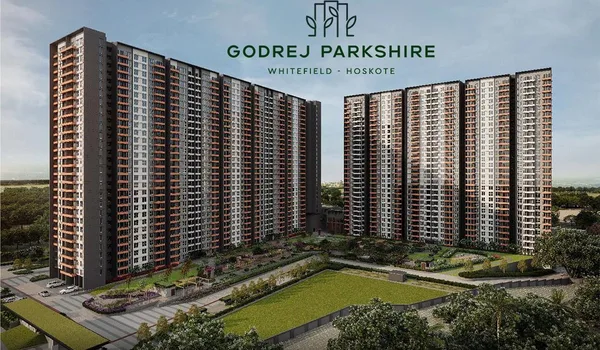
Godrej Parkshire is a project by Godrej Properties in Hoskote, with 2, 3 and 4 BHK apartments. As a national-builder gated community, it will follow the same recurring-cost pattern: a monthly maintenance charge per square foot covering security and common services, a one-time corpus at handover, and a gradual move from builder-managed to association-managed upkeep. Ask the sales team for the current indicative rate and the basis on which it is calculated.
How to Budget for Recurring Costs
The simplest way to plan is to total the heads in the table for a full year and add a buffer. Start with your annual property tax, claim the early-payment rebate if you pay within the opening window, then add twelve months of maintenance at the project's per-square-foot rate. Layer on your own water and electricity, plus any annual association charge. Keep the one-time corpus separate, since you pay it once at possession rather than every year.
A few habits keep surprises away. Confirm the Khata category before you buy so your loan and resale stay smooth. Ask the builder for the maintenance rate and corpus in writing, and check whether water is included or billed extra. If you are funding the purchase with a loan, fold these recurring costs into your monthly affordability, not just the EMI, which our home loan and EMI guide walks through in detail. And if this is your first purchase, the wider first-time home buyer guide sets these running costs in the context of the whole journey.
Conclusion
Property tax in Hoskote, paid to the local municipal council or panchayat rather than BBMP, together with monthly maintenance, a one-time corpus and everyday utilities, makes up the true recurring cost of owning a flat here. None of these is hidden, but they are easy to overlook when you focus only on price and EMI. Verify your Khata status, confirm the tax rate with the local office and the CAM rate with the builder or association, and budget for a full year of running costs. Do that, and ownership in a gated community like Prestige Hoskote stays comfortable rather than a series of surprises. When you are ready, book a site visit and ask for the maintenance and corpus details up front.
Frequently Asked Questions
1. How is property tax calculated in Hoskote?
Property tax in Hoskote is an annual charge worked out on the built-up area of your flat, its usage (owner-occupied or let-out) and the zone or unit-area value set by the local municipal body. You multiply the rate per square foot by the area and apply the usage factor. Exact rates vary by zone and year, so confirm the current figure with the local municipal office.
2. Does Hoskote come under BBMP for property tax?
No. Hoskote does not fall under BBMP. It is governed by the local urban body, the Hoskote Town Municipal Council (CMC), while some peripheral layouts sit under a Gram Panchayat. You pay property tax to the relevant local body, not to BBMP, either at the municipal office or through its online portal.
3. What is the difference between A-Khata and B-Khata?
A-Khata means the property is fully recorded in the municipal register and complies with building and tax rules, which makes home loans, building plan approval and resale straightforward. B-Khata is a secondary record for properties with some pending compliance; banks are cautious about lending against it and resale is harder. For an apartment purchase, an A-Khata title is strongly preferred.
4. What are typical apartment maintenance charges in Hoskote?
Gated communities in Hoskote typically bill monthly maintenance, or CAM, of about ₹2 to ₹4 per square foot per month in 2026. For a 1,200 sq ft flat that is roughly ₹2,400 to ₹4,800 a month. The exact figure depends on the project's amenities, with premium townships at the higher end. Confirm the rate with the builder or the apartment association.
5. What is a corpus or sinking fund in an apartment?
A corpus or sinking fund is a one-time, lump-sum amount collected from each buyer at possession. It is held by the association as a reserve for major future repairs and replacements, such as lifts, painting and common infrastructure, so the community is not caught short when large bills arrive. It is separate from the recurring monthly maintenance.
6. How much should I budget for recurring costs of a Hoskote flat?
As a rough planning figure, set aside the annual property tax, twelve months of maintenance or CAM at about ₹2 to ₹4 per square foot, your own water and electricity, and any annual association charge. For most Hoskote apartments the recurring cost runs into a few tens of thousands of rupees a year, with the one-time corpus paid separately at possession. Confirm all figures locally.
Prestige Hoskote Blog