Hoskote vs Electronic City: Which Is Better to Buy in 2026?
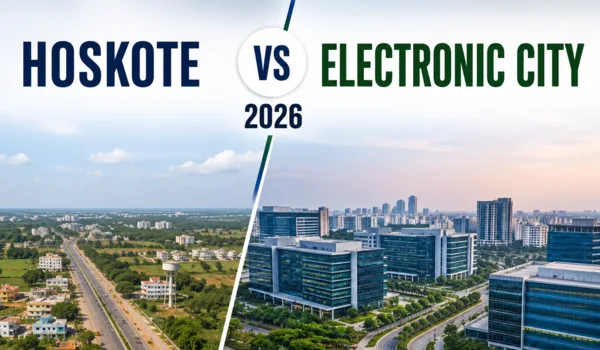
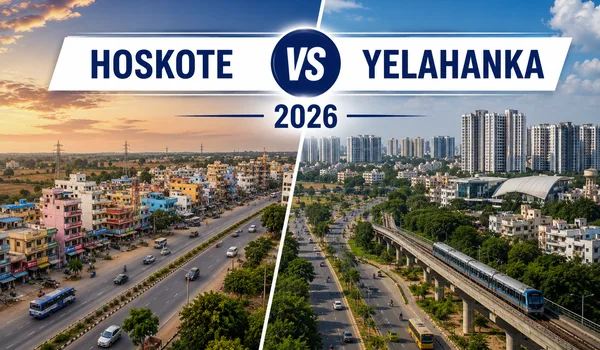
The short answer up front: Hoskote suits value and space buyers who want an industrial-corridor address on the east at a lower entry, while Electronic City suits those who must live near south Bengaluru's IT belt and want a mature, ready market — and will pay more for it. These two micro-markets sit on opposite corners of the city, roughly 35 to 40 km apart, so this is less about a single winner and more about matching the corridor to your workplace, budget and time horizon. This guide compares them fairly on connectivity, jobs, price, inventory, appreciation and rental demand, then closes with an honest verdict segmented by buyer type.
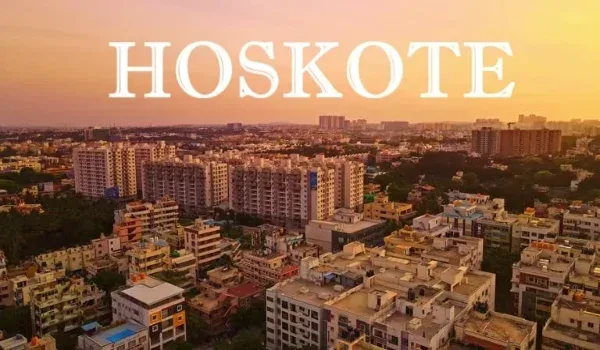
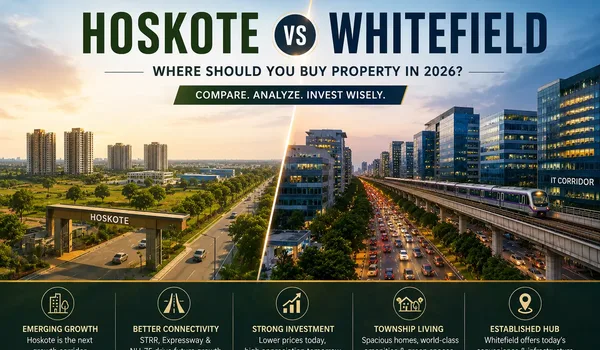
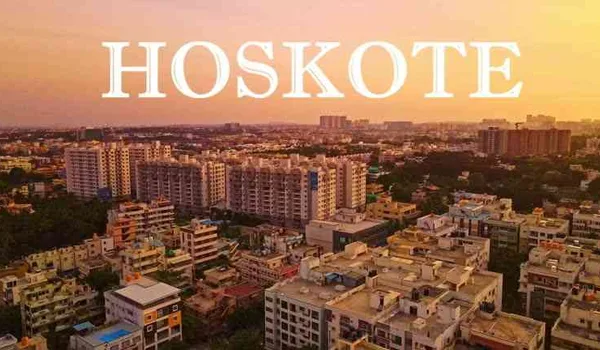
Hoskote lies on Bengaluru's eastern edge along NH-75, the Old Madras Road, wrapped in a KIADB industrial and logistics belt and about 20 to 25 km from the Whitefield technology cluster. Electronic City sits on the southern edge on Hosur Road, the city's original IT hub, anchored by Infosys, Wipro, TCS and Bosch across Electronic City Phase 1 and Phase 2. One is emerging and keenly priced; the other is established but pricier and more congested — the right pick is the one that fits your life.
Hoskote vs Electronic City 2026 — Comparison Overview
| Factor | Hoskote | Electronic City |
|---|---|---|
| Corridor / direction | East — NH-75 / Old Madras Road | South — Hosur Road |
| Distance from city | ~35–40 km from Electronic City (opposite ends) | ~35–40 km from Hoskote (opposite ends) |
| Entry price (₹/sq ft) | ~₹5,500–7,500 | ~₹6,000–9,000 |
| Key employment | KIADB industrial & logistics belt; Whitefield IT ~20–25 km | Infosys, Wipro, TCS, Bosch — EC Phase 1 & 2 |
| Connectivity | NH-75 road freight access to east Bengaluru | Hosur Road Elevated Expressway; planned metro (not yet operational) |
| Inventory type | Emerging — new & pre-launch townships, plots, some ready | Established — ready & resale stock, some new launches |
| Appreciation angle | Higher upside from a lower base (emerging) | Steadier, lower growth (mature) |
| Rental demand | Industrial & corridor workers; grows as stock completes | Deep, ready IT tenant demand today |
| Best for | Value / space buyers, patient investors, east-corridor workers | South-Bengaluru IT staff wanting a mature, ready market |
Prices indicative, as of June 2026 — verify the current cost sheet with the developer.
Connectivity and Commute
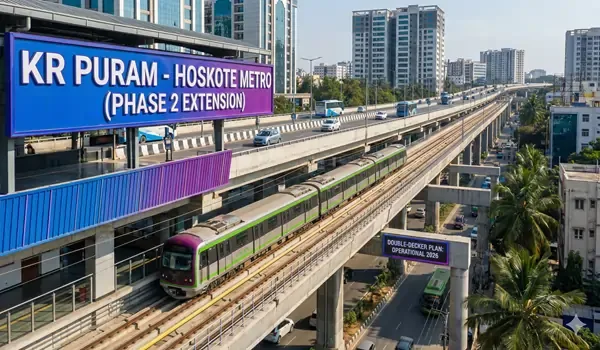
Connectivity is the factor that most often decides this contest, and the honest read is that it favours whichever corridor is closer to your office. Electronic City enjoys strong day-one access: it sits on Hosur Road with the Electronic City Elevated Expressway carrying traffic over the worst congestion, and it is fed by a dense bus network into the wider city. A Namma Metro line along the Bommasandra to Electronic City corridor is planned to extend rail reach on this side of town, but it is not yet operational, so treat it as a future improvement rather than a benefit you can use the day you move in. Even with the expressway, Hosur Road at peak hours is genuinely congested, and that daily friction is a real cost of the address.
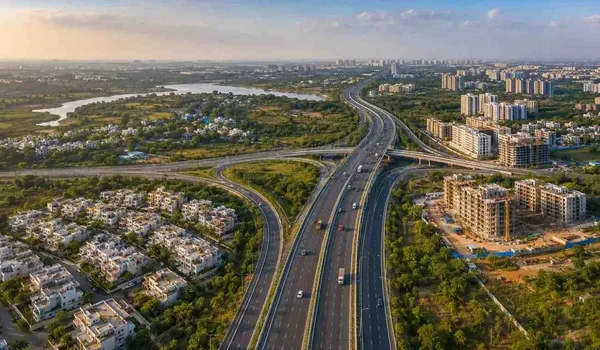
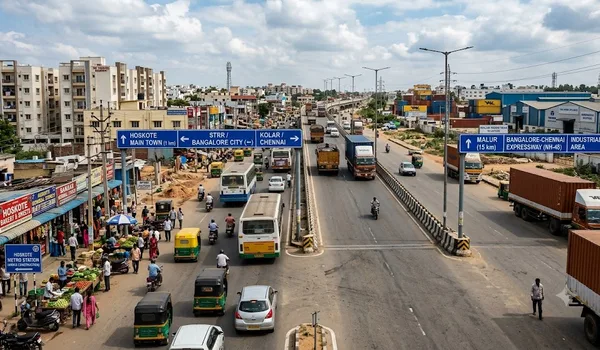
Hoskote's connectivity story is built on road freight rather than mass transit. It sits on NH-75, the Old Madras Road, a national highway that gives clean access to east Bengaluru and onward towards Whitefield and the outer ring. That makes it excellent for logistics, industry and drivers who value a fast highway, but it lacks the dense public-transport layering Electronic City has today. For a household whose office is in the east or the KIADB belt, Hoskote's road access is more than adequate; for anyone commuting across the city, both corridors demand a long drive, since they sit at opposite ends.
Jobs and Employment Proximity
Job proximity is where the two markets diverge most sharply. Electronic City is one of India's original IT clusters, and living there means living beside the work: Infosys and Wipro run large campuses here, TCS and Bosch have a major presence, and Electronic City Phase 1 and Phase 2 together host hundreds of technology and services firms. If your employer is in that ecosystem, no other corridor competes on commute — you can be at your desk in minutes rather than an hour.
Hoskote's employment base is different in character. Its immediate engine is the KIADB industrial and logistics belt on its doorstep, which employs manufacturing, warehousing and supervisory staff who want to live close to their plants. Beyond that, the Whitefield technology belt sits roughly 20 to 25 km away along NH-75, so Hoskote functions as a lower-cost residential base for east-side IT and support workers who trade a longer commute for more space and a smaller price tag. In plain terms: if your job is in south Bengaluru IT, Electronic City wins on proximity; if it is in east-side industry or the Whitefield cluster, Hoskote is the more natural home.
Price and Value
On the money, Hoskote is the cheaper of the two. Entry prices in Hoskote sit around ₹5,500 to ₹7,500 per sq ft as of June 2026, while Electronic City typically ranges from about ₹6,000 to ₹9,000 per sq ft depending on the phase, the builder and whether the stock is new or resale. That difference compounds across a whole flat: a family buying a 1,200 sq ft home can save several lakh rupees by choosing the east corridor, or use the same budget to buy meaningfully more carpet area. For buyers whose first priority is space per rupee, Hoskote makes the stronger case.
Value, though, is not only the sticker price. Electronic City's premium buys a fully formed neighbourhood — established roads, retail, hospitals and schools that already work — so you are paying for certainty and immediacy. Hoskote's lower price reflects that it is still building out that fabric, which is why the upside exists but also why the buyer carries more of the wait. All figures here are indicative and move with the specific project, so confirm the live cost sheet before you decide.
Inventory and Lifestyle
The two corridors offer different kinds of inventory. Electronic City is a mature market, so its stock is weighted towards ready-to-move apartments and a healthy resale pool, with a steady trickle of new launches filling gaps. A buyer there can often walk a finished flat, see the actual neighbourhood and move in quickly — a real advantage for anyone who needs a home now or dislikes construction risk. The lifestyle is urban and established, with malls, restaurants, hospitals and reputed schools already in place, balanced against the congestion and density that come with a built-up IT hub.
Hoskote's inventory skews the other way — towards new and pre-launch branded townships, plotted developments and a smaller set of ready projects. That means more choice at the launch stage and keener pricing, but a longer wait for possession and for social infrastructure to catch up. The lifestyle today is calmer and more open, with lower density and more greenery. If ready-day convenience is your priority, Electronic City leads; if you are comfortable buying into a growth story and want room to breathe, Hoskote fits.
Appreciation Potential
Appreciation is where Hoskote's case is strongest, with the usual caveat that higher potential carries higher risk. Because Hoskote is an emerging, value-priced corridor starting from a lower base — helped by new township launches, plotted growth and the KIADB industrial expansion — it has more room to climb in percentage terms as infrastructure and jobs deepen. Early-stage corridors of this type have historically rewarded patient buyers who entered before the area fully built out, and that is the wager Hoskote asks you to make.
Electronic City, being a mature hub, offers steadier but more modest appreciation. Much of its growth has already been captured over two decades of IT development, so prices tend to move in line with a settled, high-demand market rather than in the sharper jumps a young corridor can see. That stability is itself valuable: it means lower downside and more predictable resale. The honest framing is a classic trade-off — Hoskote offers more upside with more execution risk, Electronic City less upside with more certainty. The right choice depends on your appetite for risk and how long you can hold.
Rental Demand
For a landlord, the two markets behave differently. Electronic City has deep, ready tenant demand generated by its large resident IT workforce, so a well-located flat there tends to let quickly and predictably today. That liquidity is a genuine strength for an investor who wants rental income from day one and values a broad, stable pool of professional tenants who renew year after year.
Hoskote's rental demand is real but at an earlier stage. It draws tenants from the KIADB industrial belt, nearby workers and value-seeking commuters, and it is set to broaden as the branded townships complete and owners begin letting units. The entry price is lower, so the capital at risk is smaller, and yields can be attractive relative to the buy-in — but the tenant pool is thinner and more industrial than Electronic City's IT-led demand right now. In short, Electronic City suits an investor who wants income today on a higher outlay, while Hoskote suits a patient investor buying growth with rental upside to come.
The Verdict by Buyer Type
There is no single winner here; segment it by who you are. If you work in south Bengaluru IT — at Infosys, Wipro, TCS, Bosch or any firm across Electronic City Phase 1 and Phase 2 — and want a mature market with schools, hospitals and retail already working, Electronic City is the rational buy despite its higher price and heavier traffic; you are paying for proximity and readiness. If you are a value or space buyer, a family wanting more carpet area for the money, or an investor with a longer horizon who believes in an emerging east-corridor growth story, Hoskote makes the stronger case with its lower entry, NH-75 industrial access and greater appreciation headroom. And if your job is in the Whitefield belt about 20 to 25 km from Hoskote, the east corridor is the more natural fit. Choose by workplace and your tolerance for waiting.
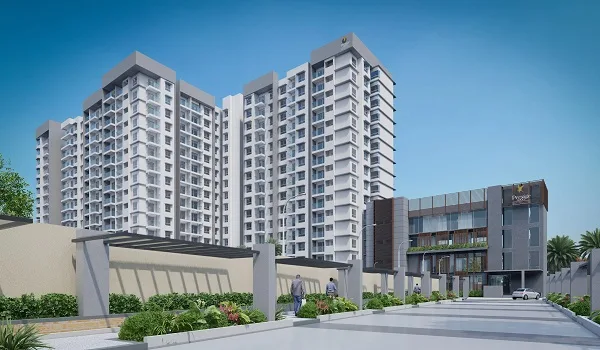
Prestige Hoskote
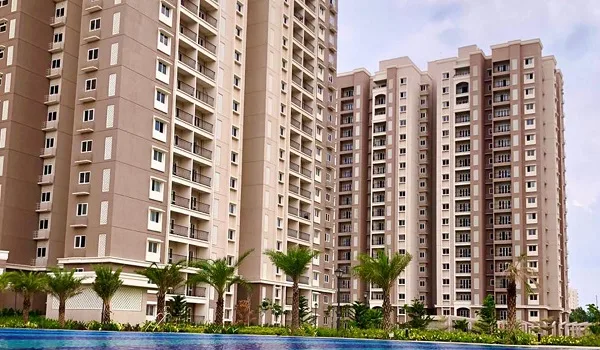
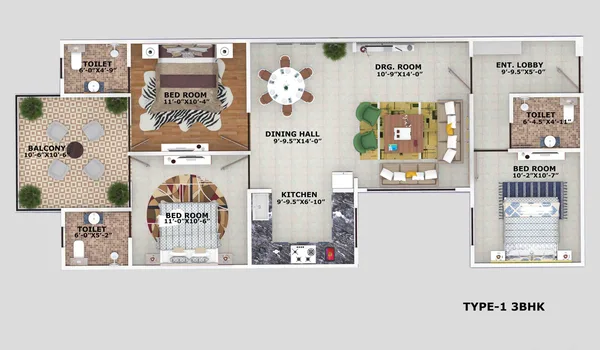
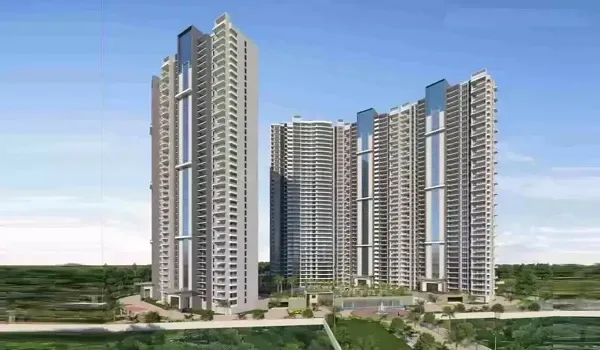
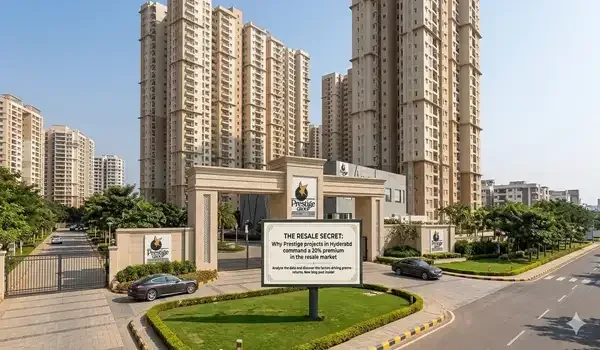
Prestige Hoskote is a pre-launch gated township at Dalasagere off NH-75, offering 2, 3 and 4 BHK homes from Prestige Group. For a buyer weighing Hoskote against Electronic City, it captures the east corridor's appeal — a branded township at an emerging-market price with room to grow — while giving the reassurance of a national developer. Being straight about status, it is still in pre-launch with its K-RERA registration in process, so verify the number on the K-RERA portal once published. Prospective buyers should study the current price and location before committing.
Sobha One World
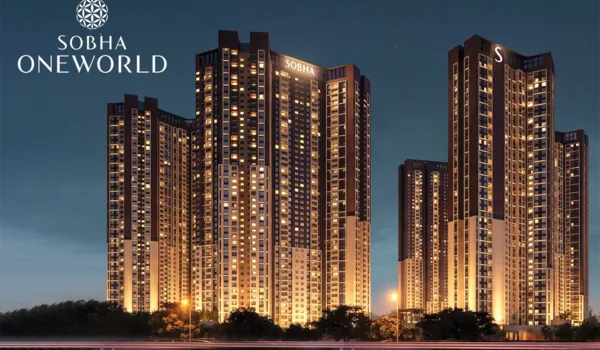
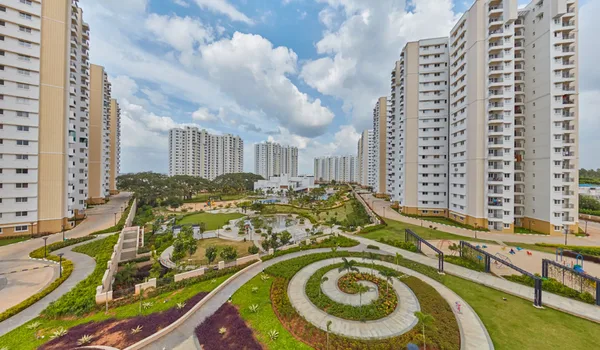
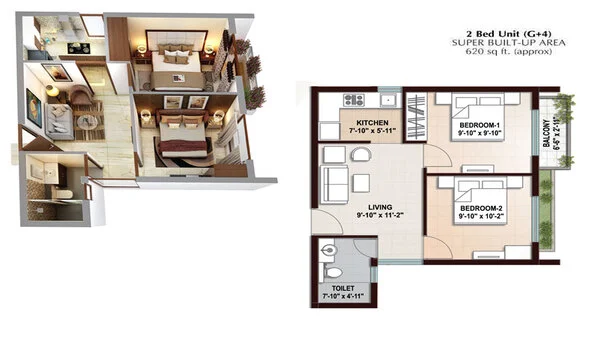
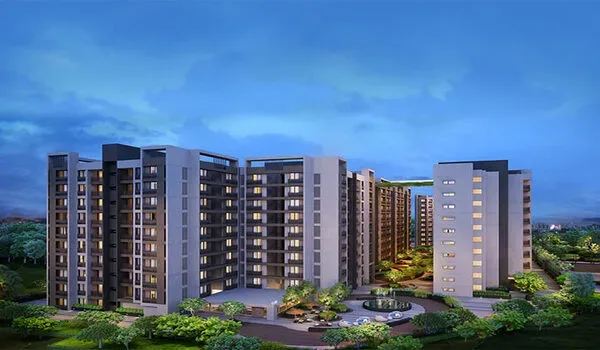
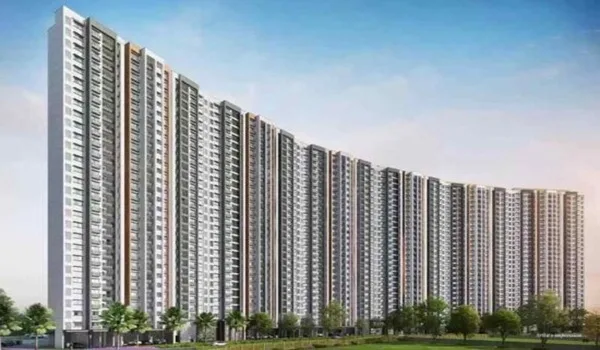
Sobha One World is a new-launch township in the Hoskote area with 1, 2, 3 and 4 BHK apartments and possession around 2031. Its spread of sizes, including compact 1 BHK homes, makes it flexible for single professionals, couples and larger families alike — a useful counterpoint for buyers who might otherwise default to Electronic City for choice. The long possession timeline is the key fact to weigh: it is a buy-into-growth proposition rather than a move-in-now option, which fits Hoskote's emerging-corridor profile. Buyers comparing the two markets should factor the wait against the lower entry price and the appreciation potential of an early-stage township.
Godrej Parkshire
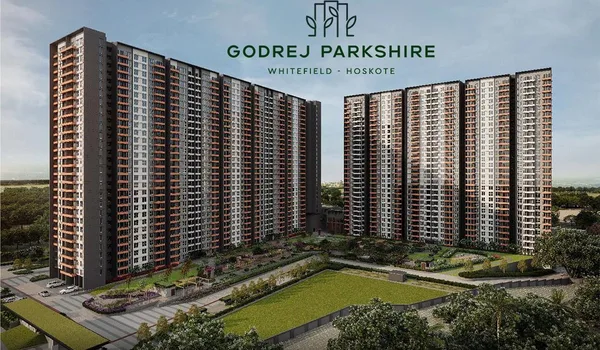
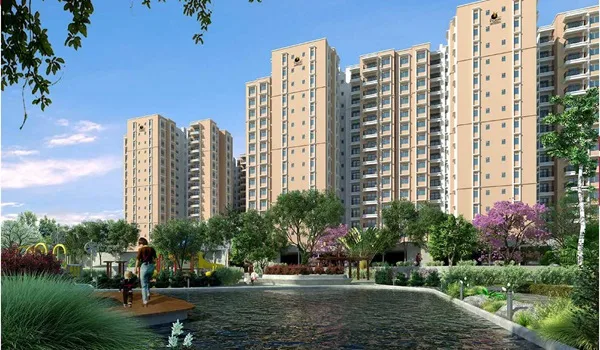
Godrej Parkshire is an upcoming Hoskote project offering 2, 3 and 4 BHK homes of roughly 1,150 to 1,750 sq ft. For a buyer torn between the two corridors, it illustrates the space-per-rupee argument that draws people east: national-builder quality and generous configurations at Hoskote's keener pricing, without Electronic City's premium. As an upcoming launch it carries the usual under-construction wait, so it suits buyers with a longer horizon rather than those who need a ready home immediately. It is a name worth shortlisting for anyone who wants a branded gated community on the east corridor and is prepared to plan ahead.
The Verdict
To restate it plainly, this is not a knockout but a match of fit. Electronic City is the honest answer for buyers rooted in south Bengaluru's IT economy who want a mature, ready market and are willing to pay a premium and tolerate Hosur Road congestion for the convenience of living beside their work and a fully built neighbourhood. Hoskote is the honest answer for value and space buyers, east-corridor and Whitefield-linked workers, and patient investors who want a lower entry on NH-75, more room for the money and greater appreciation headroom from an emerging market — accepting a longer wait for infrastructure to mature. Decide by your workplace, your budget and how long you can hold, not by hype. If the east corridor fits your plan, our team can walk you through options and help you book a site visit to judge Hoskote in person before you commit.
Frequently Asked Questions
1. Is Hoskote or Electronic City cheaper to buy in 2026?
Hoskote is cheaper. Entry prices in Hoskote sit around ₹5,500 to ₹7,500 per sq ft, while Electronic City ranges roughly ₹6,000 to ₹9,000 per sq ft depending on the phase and project. That gap means a similar-sized flat costs meaningfully less in Hoskote, which is why value and space buyers favour it. Prices are indicative as of June 2026 and vary by builder, so confirm the current cost sheet before you commit.
2. Which has better connectivity, Hoskote or Electronic City?
Electronic City has better day-one connectivity for now. It sits on Hosur Road with the Electronic City Elevated Expressway and is served by a wide bus network, and a Namma Metro line along the Bommasandra to Electronic City corridor is planned though not yet operational. Hoskote relies on NH-75, the Old Madras Road, and its strength is road freight access to east Bengaluru. Both improve with ongoing projects, so match the corridor to where you actually work.
3. Which is better for IT professionals, Hoskote or Electronic City?
It depends on your office. Electronic City is the natural pick if you work at Infosys, Wipro, TCS or the many firms in Electronic City Phase 1 and Phase 2, because you live beside the job. Hoskote suits IT staff tied to the Whitefield belt, about 20 to 25 km away, or those who accept a commute in exchange for more space and a lower price.
4. Which has higher appreciation potential, Hoskote or Electronic City?
Hoskote has more headroom from a lower base. As an emerging, value-priced corridor with new townships and KIADB industrial growth, it can grow faster in percentage terms. Electronic City is a mature IT hub, so its appreciation is steadier and lower. Higher upside carries higher execution risk, so weigh growth potential against the certainty a built-up market offers.
5. Which is better for investment and rental income, Hoskote or Electronic City?
Electronic City has deeper, ready tenant demand from its established IT workforce, so rentals let quickly today. Hoskote offers a lower entry price with rental demand from the KIADB industrial belt and nearby workers, plus more upside as branded stock completes. Electronic City suits income now on a higher buy-in; Hoskote suits patient investors seeking growth.
6. Should I buy in Hoskote or Electronic City in 2026?
Buy in Electronic City if you work in south Bengaluru IT and want a mature, ready market with day-one social infrastructure and are willing to pay a premium for it. Buy in Hoskote if you want more space for the money, an industrial-corridor location on NH-75 and higher long-term growth potential from an emerging market. Match the choice to your workplace, budget and time horizon.
Prestige Hoskote Blog