Green & Eco-Friendly Apartments in Hoskote 2026
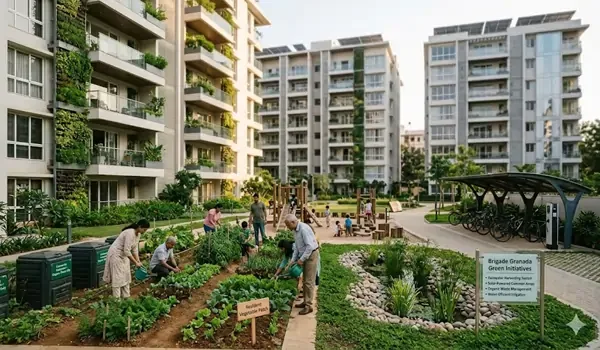
Sustainability in residential real estate has moved from a marketing label to a measurable specification — and in Hoskote, the gated communities now launching on the NH-75 corridor are responding to that shift. Solar panels on common-area roofs, sewage treatment plants (STPs) that recycle water for landscaping, rainwater harvesting pits, EV-ready parking bays and low-VOC interior finishes are either present or specified in the larger branded launches. For a buyer evaluating two otherwise comparable projects, these features are worth understanding precisely because they affect monthly outgo (electricity and water bills), long-term livability and, increasingly, resale perception as buyers in the next cycle will ask the same questions you are.
This guide unpacks what the certifications actually mean, which specific features to ask about during a site visit, and where the five projects currently active on the NH-75 belt sit on the sustainability spectrum. It is not a greenwash guide — where a project's features are thin or unverified, that is noted honestly.
Why Green Features Matter on the NH-75 Corridor
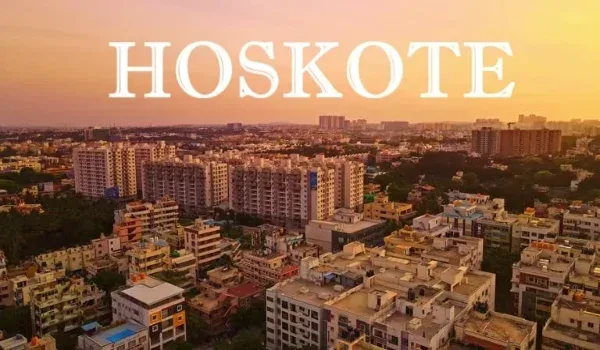
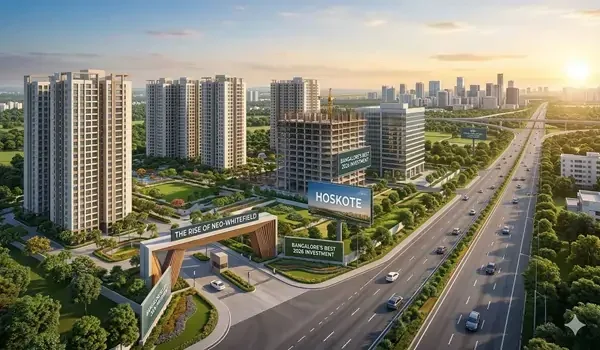
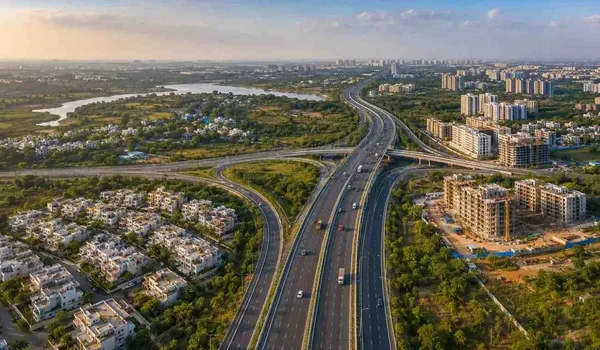
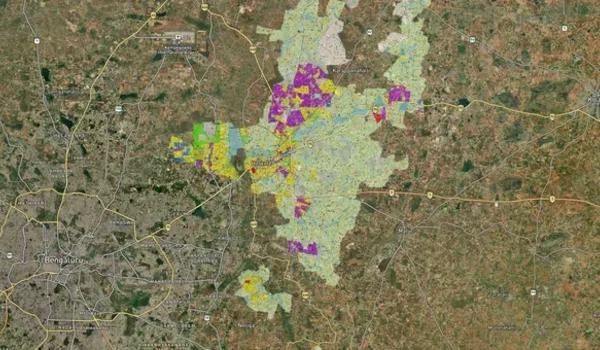
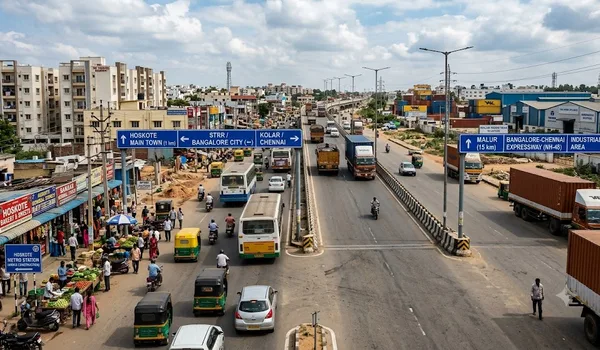
Hoskote sits roughly 25 km east of Bengaluru's Whitefield IT belt, on a stretch of the Old Madras Road (NH-75) that is transitioning from industrial land and agricultural plots to large gated townships. The corridor has several characteristics that make green features particularly practical here.
First, the area is peri-urban: the municipal grid (BESCOM) is reliable but common-area electricity bills in a large township can be significant, so solar offset has a direct cost impact on the maintenance charge per unit. Second, water supply in peri-urban Hoskote relies partly on BWSSB lines (still being extended along the NH-75 growth belt), Gram Panchayat supply and in some communities tanker supply — which makes an STP and rainwater harvesting genuinely useful rather than decorative. Third, EV penetration is rising sharply along Bengaluru's commuter corridors, and a building without EV-ready parking will face retrofitting costs as residents upgrade vehicles. Choosing a project that already has this infrastructure avoids a future RWA conflict and cost.
IGBC, LEED and GRIHA: What the Certifications Mean
Three rating systems dominate Indian residential green certification.
IGBC (Indian Green Building Council) is the most common in residential projects. It is run by the Confederation of Indian Industry (CII) and rates buildings on six categories: site sustainability, water efficiency, energy efficiency, materials and resources, indoor environmental quality, and innovation. The four levels are Certified (50+ points), Silver (60+), Gold (75+) and Platinum (90+). Gold and Platinum are the meaningful tiers — they signal genuine system investment, not just compliant minimum measures. Ask any developer for the IGBC project registration number so you can verify on the IGBC website.
LEED (Leadership in Energy and Environmental Design) is an international system run by the US Green Building Council, adapted for India through LEED India. It follows similar categories to IGBC and is more commonly applied to commercial buildings, though some premium residential developers in Bengaluru pursue LEED certification. A LEED-Gold or LEED-Platinum residential project is a higher specification than typical IGBC-Silver.
GRIHA (Green Rating for Integrated Habitat Assessment) is a government-developed system administered by TERI (The Energy and Resources Institute) and promoted by the Ministry of New and Renewable Energy. It is more commonly applied to institutional and public buildings than to private residential projects in Bengaluru, though some developers pursue it for differentiation.
In practice, most buyers in Hoskote will encounter IGBC certification or the absence of it. A developer who says "we follow green principles" without a registration number or audit trail is using the label loosely. A developer who cites an IGBC Gold registration number and can show you the certification scope has made a verifiable commitment.
Core Green Features to Evaluate Before Buying
Beyond certification labels, here are the six features worth examining during your due diligence, in order of practical impact on ownership costs.
Solar photovoltaic system: Ask how many kilowatts of capacity are installed, which loads are covered (lighting, pumps, lifts, clubhouse AC or all common areas), and whether there is battery storage for night-time or outage cover. A 100-unit township with 50 kW of solar covering all common-area loads can reduce the monthly electricity maintenance component significantly versus a building running entirely on BESCOM grid power.
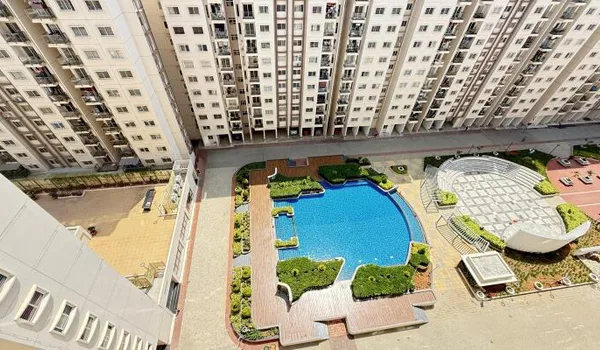
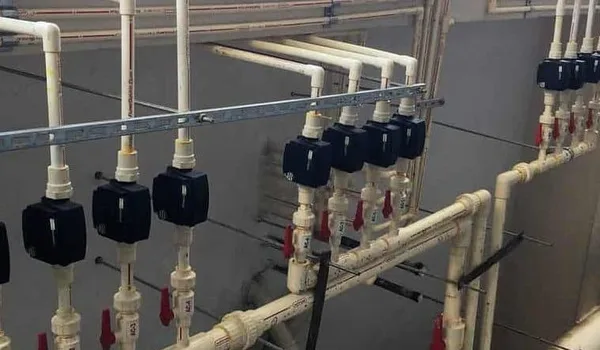
Sewage treatment plant (STP): An STP that treats 100 percent of the building's sewage and reuses the treated water for flushing, landscaping and horticulture closes a significant water loop. Ask for the treatment capacity (in KLD — kilolitres per day) and what the treated water is used for. An STP that merely treats water and discharges it without reuse is a regulatory compliance measure, not a practical cost-saver.
Rainwater harvesting: Karnataka law mandates rainwater harvesting for buildings above a certain plot area, but the quality of implementation varies widely — some projects install the minimum compliant pit, others design a full rooftop collection and storage system that feeds tanks or recharge the bore well. Ask whether the system is connected to a storage tank or only to a recharge pit.
EV charging infrastructure: Projects that pre-wire parking slots for EV chargers (even if the physical chargers are not installed) are significantly ahead of those that require future retrofitting. A BESCOM-compliant EV charging station requires a separate metered connection and conduit — a building that was not pre-wired for this will face costly civil and electrical work when the demand arrives. Ask whether basement and stilt parking are EV-conduit-ready.
Building materials: Fly-ash bricks (which use an industrial by-product and have better insulation than clay bricks), recycled aggregate in concrete, and low-VOC (volatile organic compound) paints in interiors contribute to lower embodied carbon and better indoor air quality. These are harder to verify at the buyer stage but legitimate green-rated projects will include them in the certification documentation.
Energy-efficient glazing: Double-glazed or low-E coated windows reduce heat gain and cooling load, which matters in Hoskote's warm corridor. A project that uses standard single-pane glass in a west-facing tower is transferring a higher air-conditioning cost to its residents over the years of ownership.
Five Projects to Consider for Eco-Friendly Features in Hoskote
Prestige Hoskote
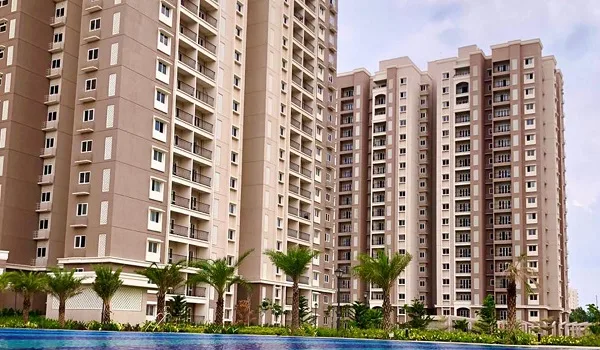
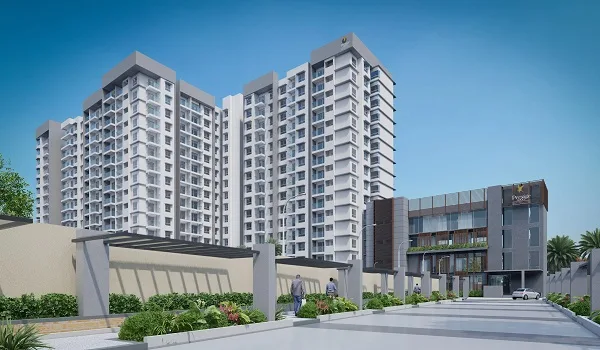
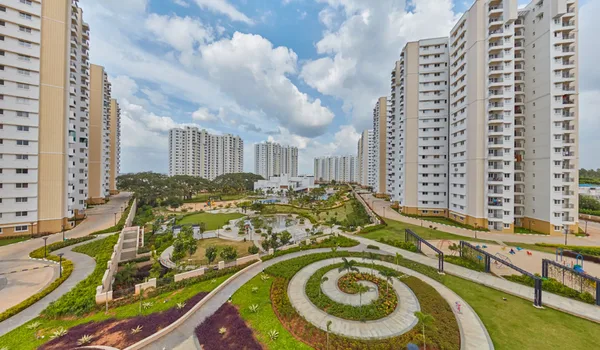
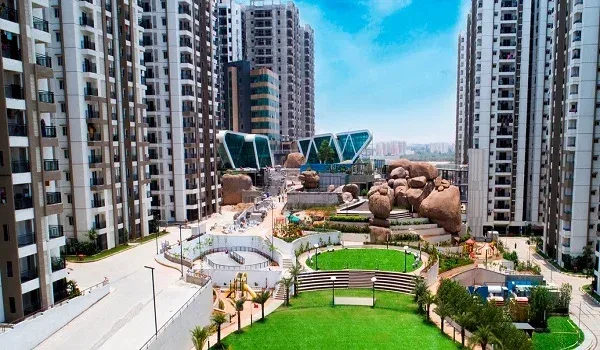
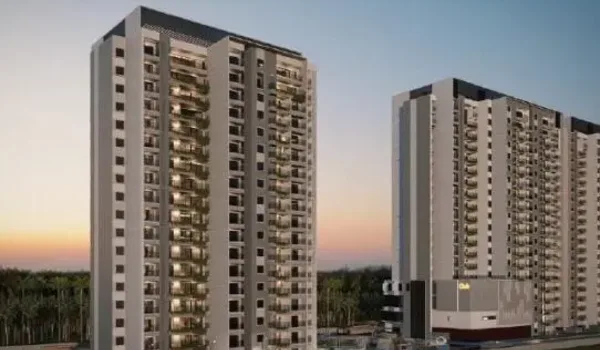
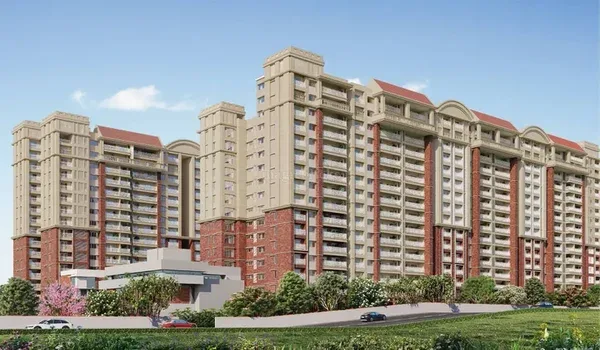
Prestige Hoskote, the flagship pre-launch township from Prestige Group on the Dalasagere belt off NH-75, is at the scale where large-project sustainability infrastructure is not optional — it is required under Karnataka's building regulations and expected by the buyer profile the project targets. The standard package for a Prestige township of this scale includes solar panels for common-area power, a full sewage treatment plant with treated-water reuse, rainwater harvesting, EV-ready basement parking and landscaping designed for low water consumption. The project's IGBC certification status and specific system specifications should be confirmed with the sales team once RERA registration is complete, since the final certified scope is project-specific. You can review the floor plans, price and location map before deciding.
Godrej Parkshire
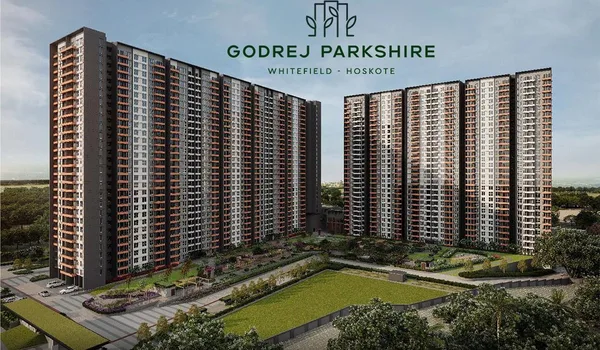
Godrej Parkshire has the strongest verifiable green credentials among the active Hoskote launches — Godrej Properties has a documented track record of IGBC-certified projects across its portfolio, and the Parkshire project is positioned with a design-led, greener community ethos. Features to ask about specifically include the solar PV specification, the STP's treated-water reuse percentage, rainwater harvesting connection type, and whether IGBC certification has been applied for and at what level. Godrej Properties publishes its sustainability commitments at the group level, so cross-checking the Parkshire project scope against group standards is straightforward. The honest trade-off is that mid-stage construction means the final certification result will arrive after your purchase decision — verify the registration number, not just the brand's reputation.
Sobha One World
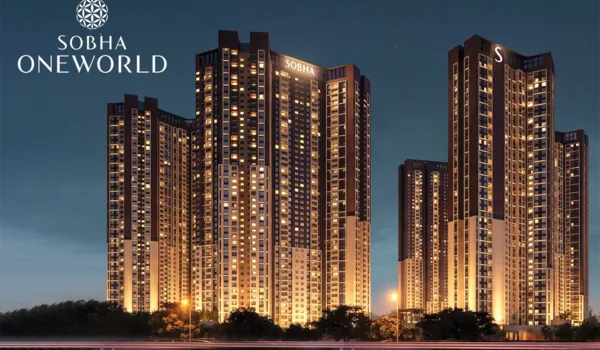
Sobha One World's differentiator is Sobha's in-house construction model — the company manufactures its own materials and controls the build process end to end, which typically results in better material quality and fewer substitution-related failures than a developer-as-contractor model. From a green standpoint, Sobha projects commonly include STPs with treated-water reuse, rainwater harvesting, energy-efficient common-area lighting and landscaping with low-water-demand plants. Sobha has also pursued IGBC certification on several of its Bengaluru-region projects. The honest note is that sustainability specification varies project to project rather than being uniform across all Sobha launches — ask for the specific certification and system documents for Sobha One World Hoskote.
Confident Cygnus
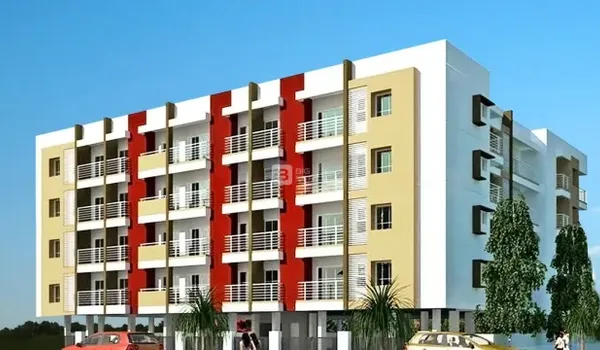
Confident Cygnus is an established ready community on the Hoskote town side — which means its green infrastructure is what was standard at the time of its construction rather than the 2026 specification of newer launches. Expect an STP and basic rainwater harvesting, but EV charging and solar-per-current-regulations may have been added retrofitted or not at all, depending on when specific blocks were completed. This is not a disqualifier — the project's value is immediate availability, established RWA governance and proximity to established services rather than a green specification lead. If sustainable features are a priority, this project would require a specific checklist conversation with the RWA or building manager.
Sowparnika Purple Rose
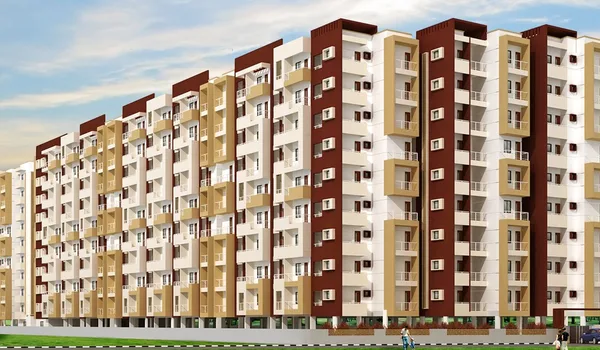
Sowparnika Purple Rose targets the affordable and mid segment and its sustainability specification reflects a budget-conscious build — regulatory compliance (STP, rainwater harvesting per Karnataka Apartment Ownership Act requirements) rather than aspirational green certification. For a buyer whose primary driver is ticket price rather than premium green features, this is not a concern. For a buyer comparing it to a branded launch on a green-features basis, the honest assessment is that the specification gap is real: Godrej Parkshire or Prestige Hoskote will carry materially more green infrastructure than Sowparnika Purple Rose. Verify the STP capacity and EV provisions directly with the developer.
Green Apartments vs Conventional Builds: Is the Premium Worth It?
| Feature | Green-Certified Build | Standard Compliant Build |
|---|---|---|
| Common-area electricity | Solar offset (30–80% depending on capacity) | Full BESCOM grid cost passed to maintenance |
| Water supply reliability | STP recycle + rainwater reduces tanker dependency | Municipal / tanker dependent |
| EV charging | Pre-wired / EV-ready slots | Retrofitting required (civil + electrical cost) |
| Indoor air quality | Low-VOC paints, better ventilation design | Standard paints, no specific VOC limit |
| Maintenance cost | Lower utility-side cost once systems operational | Higher as energy and water costs rise |
| Purchase premium | 5–10% over comparable conventional unit | Base |
| Resale perception | Growing buyer preference, improving liquidity | No disadvantage today, possible gap in future |
Prices indicative, as of July 2026 — verify the current cost sheet with the developer.
Making a Green Choice
The most practical approach for a buyer evaluating green features in Hoskote is to visit the developer's sales office with a specific checklist — the six items above — and ask for documents rather than verbal assurances. An IGBC registration number, an STP specification sheet, the solar PV capacity in writing and confirmation that parking is EV-conduit-ready are all reasonable requests before committing a purchase. Verify any project on the K-RERA portal to confirm registration and the approved project schedule. If you want to see the current specification on the ground, we can help you book a site visit at Prestige Hoskote before you decide.
Frequently Asked Questions
1. What does an IGBC green rating mean for an apartment buyer in Hoskote?
IGBC (Indian Green Building Council) certification rates a building on energy, water, materials and indoor air quality — a green-rated project typically has solar for common areas, rainwater harvesting and lower maintenance bills. Ask the developer for the certificate registration number to verify the rating level (Certified, Silver, Gold or Platinum).
2. Do eco-friendly apartments in Hoskote cost more than conventional ones?
A green-certified apartment typically costs five to ten percent more upfront, but lower electricity and water bills over time partially offset the premium. In the branded NH-75 belt, where the baseline specification is already high, the incremental cost of green features tends to be modest relative to the overall ticket size.
3. Which apartment projects in Hoskote have green or sustainable features?
Among branded NH-75 belt projects, Godrej Parkshire has the strongest IGBC track record; Prestige Hoskote and Sobha One World are also expected to carry solar, STP and rainwater harvesting. Confirm any certification number directly with each developer, as certifications are project-specific.
4. What green features should I check for when buying an apartment in Hoskote?
Ask for six specifics: solar PV capacity, STP with treated-water reuse, rainwater harvesting type, EV-ready parking bays, low-VOC materials, and an IGBC/LEED/GRIHA registration number — a developer who documents all six is credible.
5. Does buying a green-certified apartment help with a home loan in India?
Some lenders offer a 0.05–0.10% rate discount for IGBC Gold/Platinum or LEED-certified projects, but the bigger benefit is lower electricity and water bills over the ownership period.
6. Are solar panels standard in new gated community apartments in Hoskote?
Solar for common-area power has become standard in large branded gated communities on the NH-75 belt, partly driven by the KERC mandate for large residential complexes. Ask the developer for the kilowatt capacity and which loads the system covers.
Prestige Hoskote Blog