Hoskote vs Bagalur: Which Is Better to Buy in 2026?
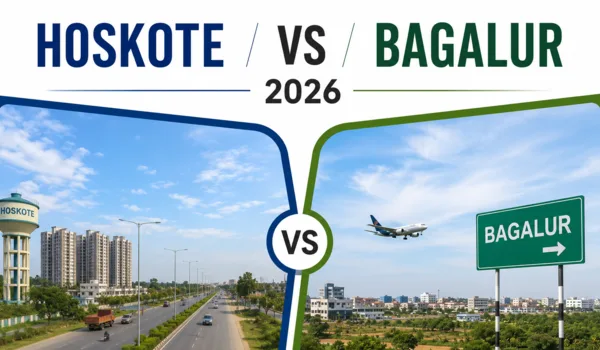
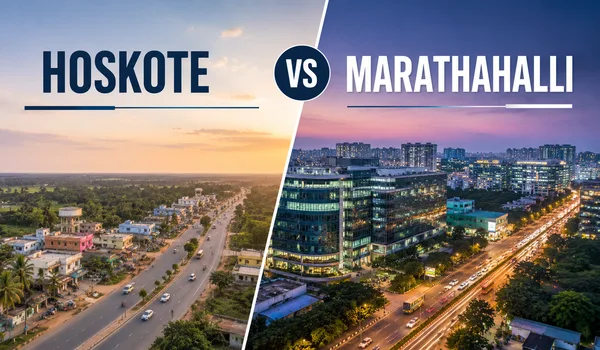
Hoskote and Bagalur are both riding Bengaluru's outward growth, but they are pulling from opposite corners of the city and from very different stories, which is exactly why buyers keep pitting them against each other. Hoskote sits on the eastern edge along NH-75 (Old Madras Road), an established town in early-cycle mode — value-priced, anchored by the KIADB industrial belt, IT-adjacent occupiers and a growing wave of branded townships. Bagalur sits in the North-East on Bagalur Road, near Kempegowda International Airport and the Devanahalli growth belt, its whole case built on airport proximity and the Aerospace SEZ / Aerospace Park catchment. This is a genuinely different match-up from the usual Hoskote-versus-Whitefield or Hoskote-versus-Devanahalli debates, because here you are weighing an established value town against a speculative airport play.
The honest short version is that neither is simply "better" — each wins on its own terms. Bagalur wins on raw airport proximity, aerospace-employment catchment and North-corridor momentum. Hoskote wins on established town and social infrastructure, value pricing, NH-75 and Whitefield-East connectivity, industrial plus IT-adjacent rental demand, and deeper branded township supply. As an indicative snapshot as of June 2026, Hoskote's branded product runs roughly ₹6,000 to ₹7,500 per sq ft, while Bagalur, pricing in the airport story, tends to sit higher and more variable at around ₹6,500 to ₹9,000-plus per sq ft. This guide walks the two side by side so you can match the location to whether you are an end-user chasing value or an investor betting on the airport.
Connectivity: East NH-75 Corridor vs North-East Airport Road
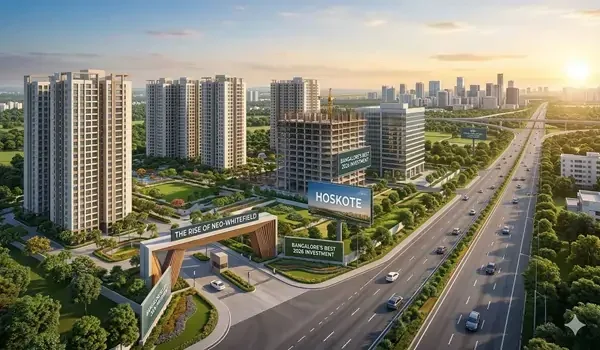
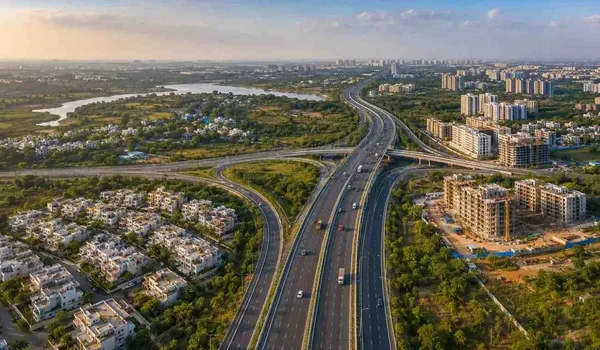
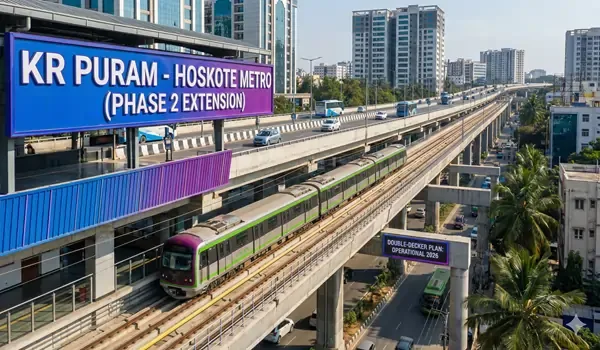
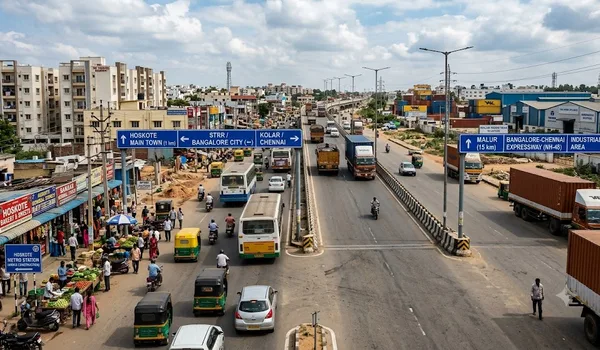
The clearest difference is geographic. Hoskote's connectivity spine is NH-75 (Old Madras Road), the upgraded highway that runs the town back toward Whitefield, KR Puram and the Outer Ring Road, putting East-Bengaluru's IT and industrial belt within a manageable drive. For anyone whose work or life points east, Hoskote is the natural pick, and the corridor's road upgrades and the proposed regional ring links only strengthen that position over time. It is connectivity you can use today, not connectivity you are waiting on.
Bagalur's connectivity story points north. It sits on Bagalur Road in the North-East, close to Kempegowda International Airport and folded into the Devanahalli-airport growth belt, so its headline advantage is airport proximity — a genuine edge for frequent flyers, airport-linked workers and businesses that value being minutes rather than an hour from the terminal. To put the geography in perspective, Hoskote sits roughly 25 to 30 km from the airport by road, while Bagalur is far closer to it, and that single gap is the whole crux of the choice. The trade-off is that Bagalur is further from the established eastern employment nodes such as Whitefield, and much of its road and civic upgrade momentum is still maturing. Bagalur wins the airport, Hoskote wins the east — the right answer depends entirely on which way your commute runs.
Employment & Demand Drivers: Industrial-plus-IT vs Aerospace
Underneath the prices sit two different demand engines. Hoskote draws on a broad, established base: the KIADB industrial estate anchors steady workforce rental demand, and IT-adjacent occupiers along the NH-75 corridor add a second layer of tenants. That diversity is why Hoskote already generates real rental demand now, from factory staff to commuting professionals, rather than relying on a single catalyst to arrive. For an investor who wants tenants today, that breadth is a meaningful comfort.
Bagalur's demand is more concentrated and sector-specific, and in its own way more distinctive. It is anchored by the Aerospace SEZ and Aerospace Park, hardware and aerospace employment, and airport-linked services — a high-value, specialised catchment that gives Bagalur a story few other pockets can claim. The flip side is concentration risk: a demand base leaning heavily on aerospace and airport activity is narrower than Hoskote's mixed industrial-plus-IT tenant pool. Bagalur offers a sharper, more specialised employment thesis; Hoskote offers a broader, already-active one.
Price: Value Town vs Airport Premium
Price is where the two markets separate most honestly. As an indicative guide as of June 2026, branded gated apartments in Hoskote broadly run around ₹6,000 to ₹7,500 per sq ft — value pricing for a national-developer product on a fast-connecting corridor, which is a large part of Hoskote's appeal to an end-user. You are buying into an established town before the market has fully re-rated, which is the essence of an early-cycle value case.
Bagalur, riding airport proximity and the Aerospace SEZ catchment, tends to price higher and more variable — indicatively around ₹6,500 to ₹9,000-plus per sq ft, with the exact number swinging on how close a pocket sits to the airport and how much of the growth story it captures. That premium can be justified if the airport thesis plays out, but it also means you are paying up front for a lot of future hope, which raises the stakes if timelines slip. Both bands are hedged and indicative, not quotes — verify the live cost sheet for any specific project before you read too much into the numbers.
Social Infrastructure: Established Town vs Emerging Node
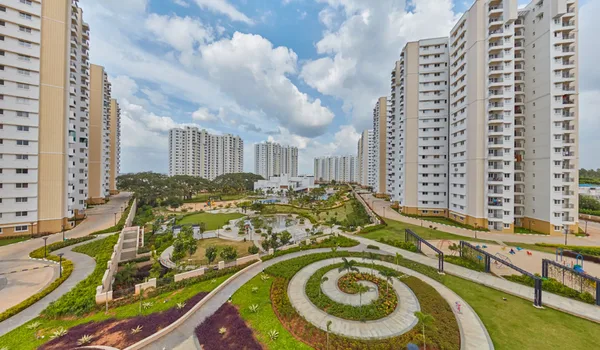
For a family, everyday infrastructure often decides the buy, and here Hoskote's maturity shows. As an established town, Hoskote already has markets, standalone retail, schools, clinics, hospitals and banks in place, so a resident lives with amenities on their doorstep rather than in the pipeline. Branded townships along the NH-75 belt layer modern gated amenities on top of that existing convenience, which is a strong combination for an end-user who wants to move in and live now.
Bagalur is more of an emerging node. Its immediate social fabric is still filling in, with retail, schooling and healthcare arriving alongside the residential growth rather than pre-dating it, so early residents often live a little ahead of the amenities and lean on the airport-corridor conveniences nearby. There is an upside to that youth — much of Bagalur's residential stock is newer and its layouts more spacious than Hoskote's older town core — but it is convenience deferred rather than convenience delivered. For a patient buyer comfortable letting the surroundings catch up, that is acceptable — for a family wanting established schools and hospitals from day one, Hoskote's depth is the more reassuring choice.
Investment Outlook: Steady Value vs Speculative Upside
The two markets suit different risk appetites. Hoskote's outlook is steady and value-led: it is earlier-cycle on the eastern NH-75 corridor, supported by real, present rental demand and deepening branded supply from names like Prestige Group and other national developers. Appreciation here is likely to be gradual and grounded rather than explosive, which is exactly what many end-users and conservative investors want — growth they can underwrite against demand that already exists.
Bagalur's outlook is more leveraged to a single powerful catalyst. If the airport, the Aerospace SEZ and the wider North-East corridor keep compounding, Bagalur can appreciate sharply — but it is also more speculative, and a good deal of that optimism is already in today's price. That is the classic trade of a speculative growth node: higher potential upside, higher timeline and delivery risk. Whichever way you lean, treat every per-square-foot band as indicative and confirm current numbers before committing capital.
Hoskote vs Bagalur at a Glance
| Factor | Hoskote (East, NH-75) | Bagalur (North-East, Airport) |
|---|---|---|
| Connectivity | NH-75 / Old Madras Road — fast to Whitefield, KR Puram, ORR | Bagalur Road — close to Kempegowda International Airport, Devanahalli belt |
| Key employment | KIADB industrial estate + IT-adjacent corridor demand | Aerospace SEZ / Aerospace Park, hardware and aerospace, airport services |
| Indicative price | ~₹6,000–7,500/sq ft (branded) | ~₹6,500–9,000+/sq ft (airport-led, variable) |
| Social infra | Established town — retail, schools, hospitals in place | Emerging node — amenities still arriving |
| Best for | Value-conscious end-user, diversified rental, move-in-now family | Airport-proximity bet, aerospace catchment, patient speculative investor |
Prices indicative, as of June 2026 — verify the current cost sheet with the developer.
Branded Projects Anchoring the Hoskote Side
Bagalur's case is driven by the airport and the Aerospace SEZ catchment rather than by named launches, so we speak to that side generically. The Hoskote side, by contrast, is easiest to picture through the branded projects taking shape along the NH-75 belt. The three below each carry a differentiator and an honest trade-off, so you can see what the value case looks like in real product.
Prestige Hoskote
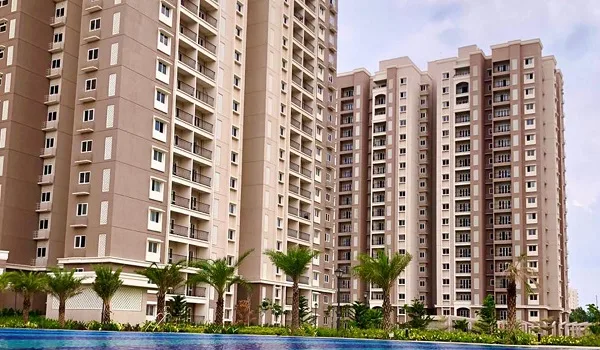
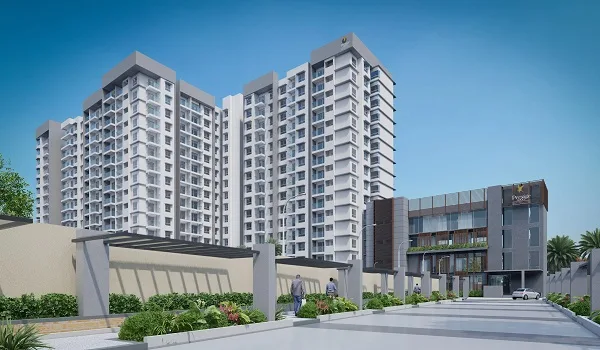
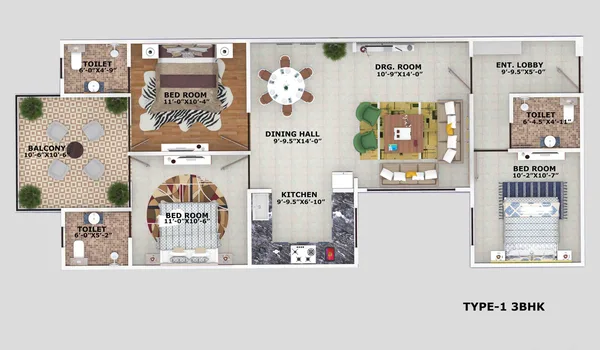
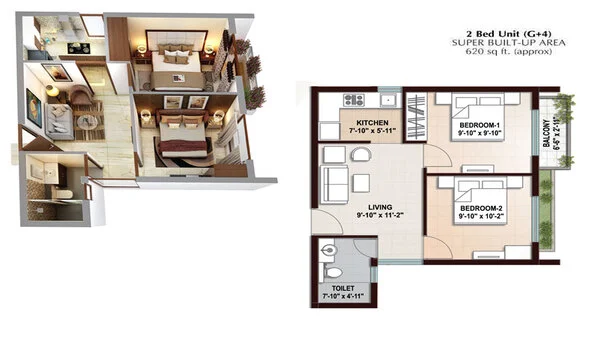
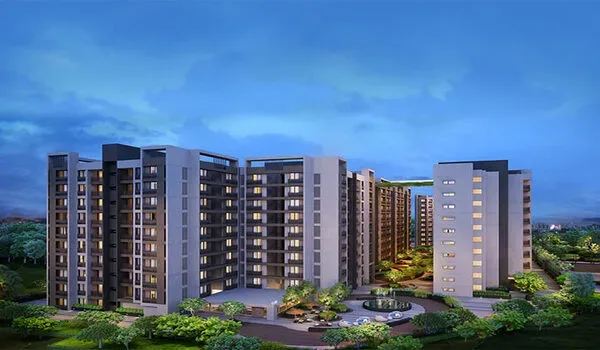
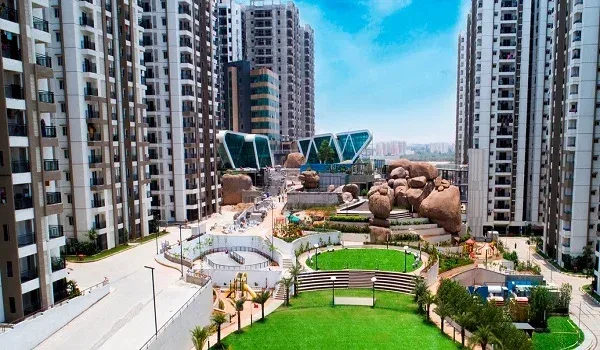
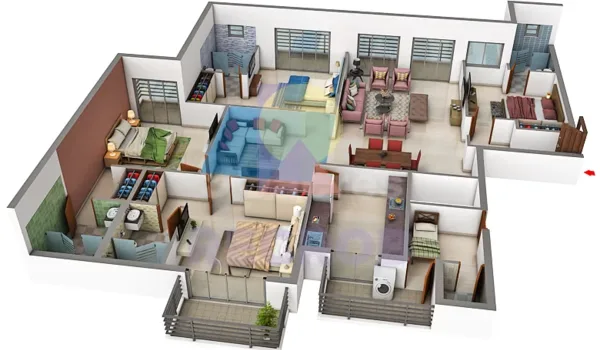
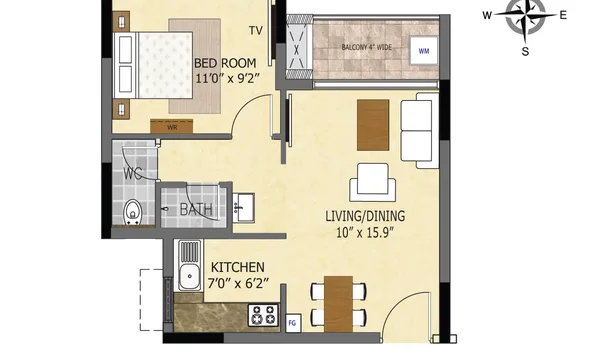
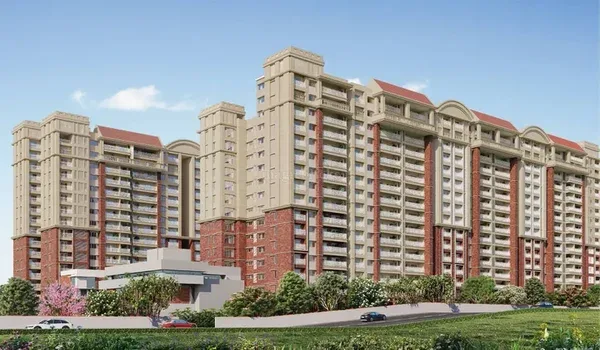
Prestige Hoskote is the anchor for the eastern NH-75 belt — a pre-launch gated township with 2, 3 and 4 BHK homes, positioned exactly where the corridor's master-planned communities cluster. Its differentiator is combining a national developer's amenity depth with value-priced entry on the fast-connecting east side, which is precisely the case that stands opposite Bagalur's airport premium. The honest trade-off is timeline: it is pre-launch with its registration still in process, so verify the number on the K-RERA portal once published, and be ready for a construction wait rather than a ready home. First-hand buyers can review the floor plans, price and location before visiting.
Sobha One World

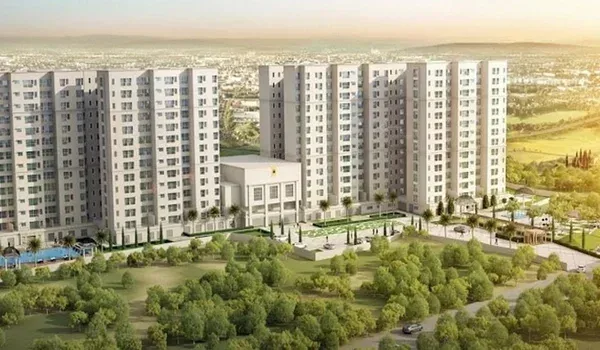
Sobha One World sits in the branded gated tier on Hoskote's connectivity-led east side, and its differentiator is build quality — Sobha's in-house construction reputation tends to show in finish and structural detailing, which some buyers weigh heavily against a speculative airport-side purchase. For a purchaser who wants a well-built branded home with modern amenities on the fast-connecting NH-75 belt, it is a serious candidate. The honest trade-off is that this positioning usually carries a premium ticket within Hoskote's band, so it competes at the top of the local range rather than on value; confirm the current configuration mix and cost sheet, since branded pricing moves with launch phase.
Godrej Parkshire

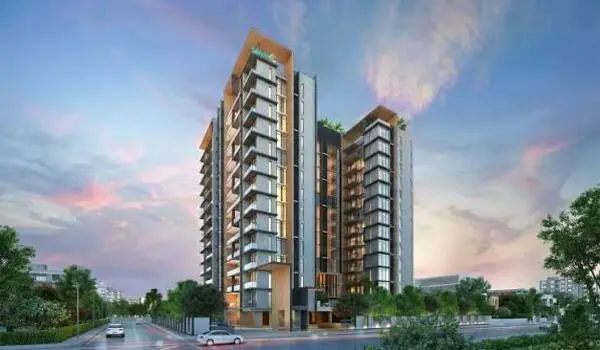
Godrej Parkshire brings another national name to Hoskote's branded belt, with 2, 3 and 4 BHK homes of roughly 1,150 to 1,750 sq ft. Its differentiator is the Godrej brand's design-led, often greener community planning, which appeals to buyers who want a national developer's amenity package with the value and eastern connectivity of the NH-75 access rather than an airport-side premium. The honest trade-off is that it is an upcoming, under-construction launch, so you are buying into a future community rather than a ready home — the surrounding micro-neighbourhood, like much of this township belt, is still filling in. It is a strong pick for a buyer who wants branded product and can wait for both the build and the area to mature.
The Verdict
On balance, for an end-user or a value-first buyer, Hoskote is the more sensible choice in 2026 — and that verdict is meant fairly, not dismissively. Hoskote gives you an established town with real social infrastructure, value pricing on branded townships, present-day rental demand from the KIADB industrial belt and IT-adjacent occupiers, and NH-75 connectivity that serves East Bengaluru now rather than later. You are buying something usable today at a keener price, with steady, grounded appreciation rather than a bet on one catalyst. For most families and yield-focused investors, that combination is hard to beat.
Bagalur earns its case too, and it is a genuine one: if your life or work is tied to Kempegowda International Airport, or you want direct exposure to the Aerospace SEZ and the North-East corridor's momentum, Bagalur's airport-proximity thesis is the sharper bet — provided you accept the higher, more speculative entry and the amenities still catching up. The cleanest way to settle it is to stand in both and weigh them against your own priorities, so if you would like to walk the Hoskote corridor and compare in person, our team can help you book a site visit before you decide.
Frequently Asked Questions
1. Hoskote or Bagalur — which is better to buy in 2026?
It depends on what you are buying for. Bagalur wins if your priority is proximity to Kempegowda International Airport and exposure to the Aerospace SEZ and airport-driven North-East growth story, which you pay for at a higher, more speculative entry. Hoskote wins for a value-conscious end-user — it is an established town on NH-75 with deeper social infrastructure, strong industrial and IT-adjacent rental demand, and more branded township supply at a keener price. For a home to live in with solid value, Hoskote usually edges it; for a pure airport-proximity bet, Bagalur has the sharper case.
2. How do indicative prices in Hoskote and Bagalur compare?
As an indicative guide as of June 2026, branded gated apartments in Hoskote broadly run around ₹6,000 to ₹7,500 per sq ft, while Bagalur, riding airport proximity and the Aerospace SEZ catchment, tends to sit higher and more variable, roughly ₹6,500 to ₹9,000-plus per sq ft depending on the exact pocket and how close it is to the airport. These are hedged bands, not quotes — always verify the current cost sheet with the developer for the specific project.
3. Is Bagalur better than Hoskote for airport connectivity?
Yes — on pure airport proximity Bagalur is better, since it sits on Bagalur Road in the North-East, close to Kempegowda International Airport and the Devanahalli growth belt. Hoskote is on the eastern NH-75 (Old Madras Road) corridor, so it is further from the airport but far better placed for Whitefield, KR Puram and East-Bengaluru commutes. Pick Bagalur if the airport is central to your life or work; pick Hoskote if your daily commute points east rather than north.
4. Which location has stronger employment demand — Hoskote or Bagalur?
They draw on different catchments. Bagalur's demand is anchored by the Aerospace SEZ and Aerospace Park, hardware and aerospace employment, and airport-linked services in the North-East. Hoskote's demand is broader and more established — the KIADB industrial estate, IT-adjacent occupiers along the NH-75 corridor and steady workforce rental. Bagalur is a more concentrated, sector-specific story; Hoskote's tenant base is more diversified and already generating rental demand today.
5. Which is the safer end-user buy, Hoskote or Bagalur?
For an end-user who wants to live in the home, Hoskote is generally the safer buy. It is an established town with markets, schools, hospitals and daily retail already in place, value-priced branded townships, and connectivity that is useful now rather than promised. Bagalur is more of an appreciation play tied to airport and Aerospace SEZ momentum, which can reward a patient investor but leaves an end-user living ahead of the amenities. Match the choice to whether you want a home to use now or an asset to hold.
6. Will Bagalur or Hoskote appreciate more over the next few years?
Neither can be promised, and both carry different risk. Bagalur's upside is leveraged to the airport and Aerospace SEZ story and to the North-East corridor momentum, so if that plays out it can appreciate sharply — but it is more speculative and already priced for a lot of that hope. Hoskote is earlier-cycle and value-priced on the eastern NH-75 corridor, so its appreciation is steadier and supported by real, present demand rather than a single catalyst. Treat any per-square-foot band as indicative and verify current numbers before you decide.
Prestige Hoskote Blog