Rent vs Buy in Hoskote 2026

The rent vs buy question is fundamentally a financial one, and it deserves a proper answer rather than a reflexive "owning is always better." In Hoskote, on Bengaluru's eastern NH-75 corridor, the numbers sit in a specific range — a 2 BHK in a gated community rents for roughly ₹12,000 to ₹18,000 a month, while buying a comparable unit costs broadly ₹55 to ₹75 lakh for a branded new project, with the stamp-duty-and-registration toll on top. Those two numbers, your stay horizon, and the state of your finances are what decide the answer — not a general principle. This guide works through each piece: the core trade-off, the actual break-even, the hidden costs renters and buyers both overlook, when each choice wins, and a framework to run the decision for your own situation.
A note on what this page is not: it is not about which stage of construction to buy at (that is the Under-Construction vs Ready-to-Move guide), not about when in the calendar year to buy (that is the Best Time to Buy guide), and not about investment yields (that is the Rental Yield and ROI guide). This page is purely about whether you should own or rent — the ownership question, not the project question.
The Core Trade-Off: Equity and Appreciation vs Flexibility and Liquidity
Buying an apartment puts your money into an asset that (in a growing corridor) can appreciate and builds forced savings through each EMI payment. Over time, the equity you accumulate is yours — a family asset, a retirement buffer, a collateral base. Every rupee of EMI after interest chips away at your loan balance and builds that stake. In an early-cycle market like the NH-75 belt, where prices have scope to rise as infrastructure lands and the residential base matures, the appreciation upside is a real part of the ownership argument.
Renting keeps you flexible and liquid. Your down payment — roughly ₹11 to ₹15 lakh on a ₹55–75 lakh flat at 20% — stays in your hands and can earn returns elsewhere. You can move without a lengthy sale process, adapt to a job change or family need, and avoid the transaction costs of buying and then selling. The catch is that your rent earns zero equity, escalates every year, and never stops — a renter who stays in the same city for twenty years may pay more in cumulative rent than a buyer pays in total loan interest, with nothing to show at the end.
The Actual Numbers: Rent, Price and the Break-Even Horizon
In Hoskote as of mid-2026, indicative rental bands run roughly ₹8,000 to ₹12,000 per month for an established 1 BHK, ₹12,000 to ₹18,000 for a 2 BHK, and ₹18,000 to ₹28,000 for a 3 BHK in a decent gated community or newer building close to NH-75. Purchase prices for branded new gated launches on the NH-75 and Dalasagere belt run approximately ₹6,000 to ₹7,500 per sq ft, putting a 2 BHK of 1,100 sq ft at roughly ₹66 to ₹82 lakh before taxes and charges.
A useful shortcut is the price-to-rent ratio: divide the purchase price by the annual rent. A ₹70 lakh flat renting for ₹15,000/month has an annual rent of ₹1.8 lakh and a price-to-rent ratio of about 39 — which is high, and tells you it is cheaper to rent over a short horizon than to own. The inverse, the gross rental yield (annual rent ÷ purchase price), sits around 2.5 to 3 percent in Hoskote — well below a home-loan rate of 8.5 to 9.5 percent, which means the pure EMI is significantly higher than the rent on a comparable unit. The break-even horizon — where the total cost of owning (EMI + taxes + maintenance − equity built + transaction costs) equals the total cost of renting (rent + deposit lock-up + escalation) — typically falls in the four to six year range in this market. Shorter than that, renting is cheaper; longer than that, owning starts to pull ahead, especially with appreciation factored in.
Hidden Costs of Buying: What the EMI Does Not Tell You
The EMI is the headline cost, but buying a flat in Karnataka carries a string of additional charges that lengthen the true break-even. Stamp duty in Karnataka is five percent of the market value (or guidance value, whichever is higher) plus one percent registration, so on a ₹70 lakh flat you pay roughly ₹4.2 lakh just to register the title. Brokerage if you use an agent is typically one to two percent. Interiors, fit-out and appliances range from ₹2 lakh for a basic paint-and-fix to ₹6 lakh or more for a proper modular finish. Once you own, property tax and the community's maintenance or CAM charges run every year — a well-maintained township can charge ₹3,000 to ₹8,000 per month in CAM alone. And if you buy under-construction, GST at five percent of the agreement value applies (zero on OC-ready or resale). These amounts do not disappear; they are part of the true cost of ownership and must be included in any break-even calculation.
Hidden Costs of Renting: What the Monthly Rent Does Not Tell You
Renting looks cheaper than an EMI on a sticker-price comparison, but it carries its own hidden costs. The most immediate is the security deposit: in Karnataka, landlords typically ask for ten to twelve months' rent up front, so a flat at ₹15,000/month ties up ₹1.5 to ₹1.8 lakh in a deposit that earns you nothing and sits in the landlord's account for the duration of your stay. Annual rent escalation is a second hidden cost — landlords typically increase rent five to ten percent per year, and compounding over five years, a flat at ₹15,000/month today could cost ₹19,000 to ₹24,000 by year five even without changing units. The biggest hidden cost is opportunity cost: every month of rent is money that builds zero equity. A buyer, over the same period, is converting part of each EMI into a growing ownership stake. Over a ten or fifteen year horizon, that difference compounds into a large gap in net worth — and for the renter, the flat still does not belong to them on day one of year fifteen.
When Renting Wins
Renting is the stronger financial choice when your stay horizon is under four to five years — transaction costs of buying (stamp duty, registration, brokerage, interiors) plus the gap between the EMI and the rent mean you are unlikely to break even before you need to sell. It also wins when your finances are not yet ready: if your down payment is below twenty percent of the price, your existing EMIs are high, or you have not yet secured a home-loan pre-approval, buying under pressure carries real risk. Renting is also right when you are new to the corridor and want to test a neighbourhood before committing a large purchase; the NH-75 belt has several distinct micro-pockets and it pays to know which one suits your daily life before buying. And renting makes sense when the flexibility premium has a specific value for you — a likely job transfer, a family situation that may change, or a better investment home for the down payment elsewhere.
When Buying Wins
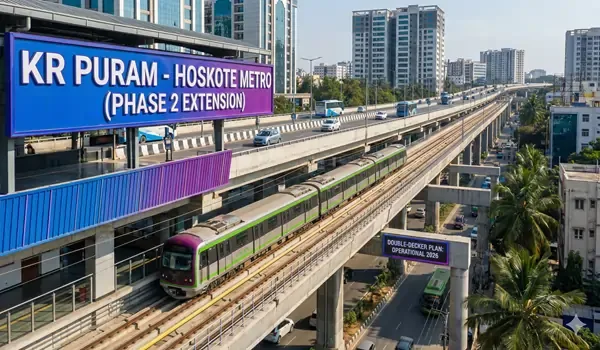
Buying wins when your stay horizon is five or more years, your finances are ready, and the unit you are buying stands on its own merits as a place to live. In Hoskote's early-cycle NH-75 corridor, buying ahead of infrastructure milestones — NH-75 upgrades, the proposed STRR, a proposed metro extension — means you potentially capture appreciation that is still ahead rather than already priced in. Each EMI payment simultaneously builds equity and locks in today's price, which in a growing market is a compounding advantage over the renter who is still renting at escalating rates in year five. Buying also gives you stability — no landlord decision, no sudden notice, no annual negotiation — which matters if you have children in school or a settled employment situation. Verify any project on the K-RERA portal before committing, whatever stage you buy at.
Rent vs Buy at a Glance
| Factor | Renting | Buying |
|---|---|---|
| Upfront cost | 10–12 months deposit (₹1.5–1.8 lakh on a ₹15k/month flat) | Down payment 20% + stamp duty 5% + registration 1% + interiors (₹15–20 lakh total on ₹70 lakh flat) |
| Monthly outflow | Rent (₹12,000–18,000 for 2 BHK) + escalates 5–10%/year | EMI + property tax + CAM (higher than rent over short horizon) |
| Equity built | Zero | Grows with each EMI and appreciation |
| Flexibility | High — move with 1–3 months' notice | Low — sale takes time and costs 1–2% brokerage |
| Break-even horizon | Wins below ~4–5 years | Wins beyond ~4–6 years (faster with appreciation) |
| Appreciation upside | None | Full upside on early-cycle NH-75 corridor |
| Risk | Annual escalation, landlord decisions, no stability | Construction delay (UC), rate rises, illiquidity |
Prices indicative, as of June 2026 — verify the current cost sheet with the developer.
Five Projects to Consider if You Decide to Buy
If the framework points toward buying, the five projects below span the Hoskote corridor's range — from the earliest pre-launch entry to an established ready community and a value pick — so you can match the right stage and price band to your finances and stay horizon.
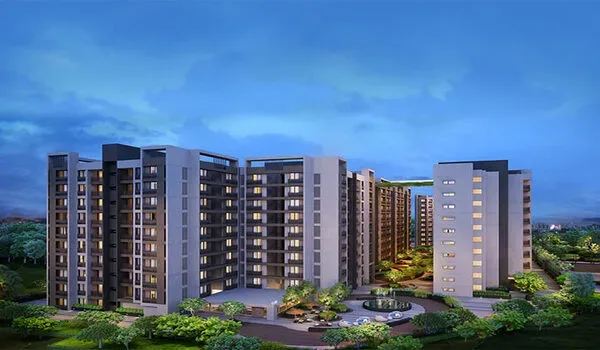
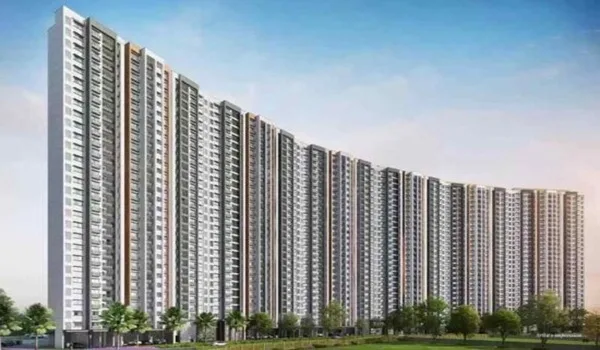
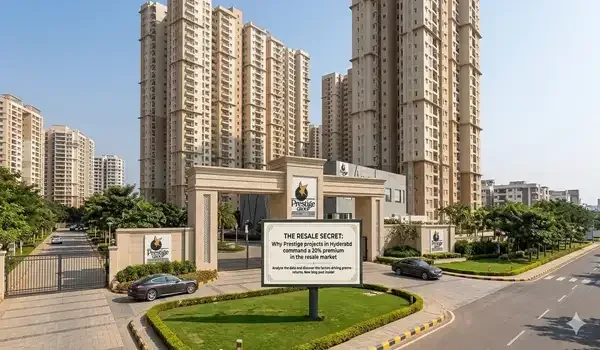
Prestige Hoskote
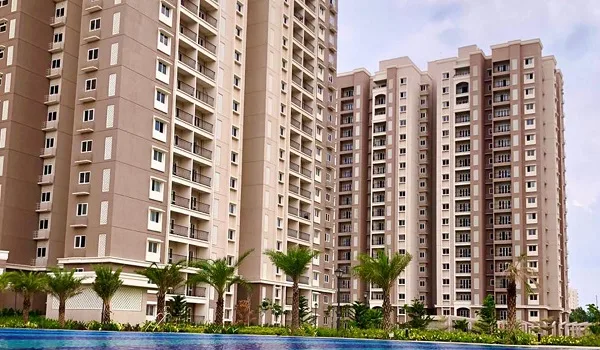
Prestige Hoskote is the flagship early-entry play on the Dalasagere belt off NH-75 — a pre-launch township from Prestige Group with 2, 3 and 4 BHK homes positioned to capture the full appreciation runway of the NH-75 corridor ahead of infrastructure milestones. For a buyer whose finances are ready and whose stay horizon is five-plus years, entering at the pre-launch price is the strongest ownership argument: you lock in today's rate, build equity from day one of construction, and sit on the cheapest rung of the launch ladder. The honest trade-off is a construction wait and a RERA registration still in process — confirm the number once published before committing. You can review floor plans, price and location before your visit.
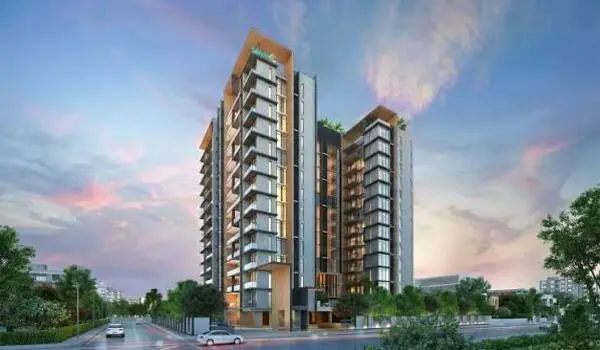
Sobha One World

Sobha One World is a launch-stage branded option on the NH-75 belt for a buyer who wants the brand equity of Sobha's in-house build quality and is comfortable entering mid-launch rather than at pre-launch. Its differentiator is Sobha's reputation for precision finish and detailing, which holds resale value well — a relevant factor if your stay horizon might end with a sale rather than a hold. The honest trade-off is that branded launch pricing on the NH-75 belt sits at the top of the local range, and each construction phase typically sees a price increase, so timing your entry in the current phase matters.
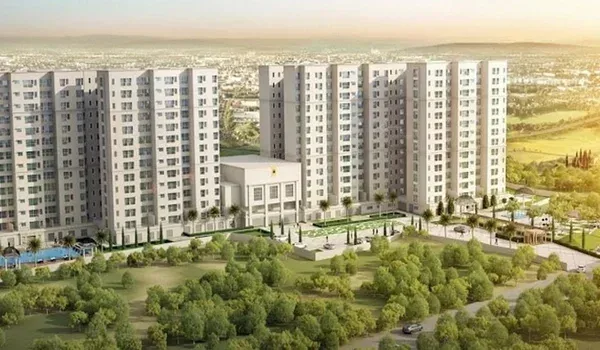
Godrej Parkshire
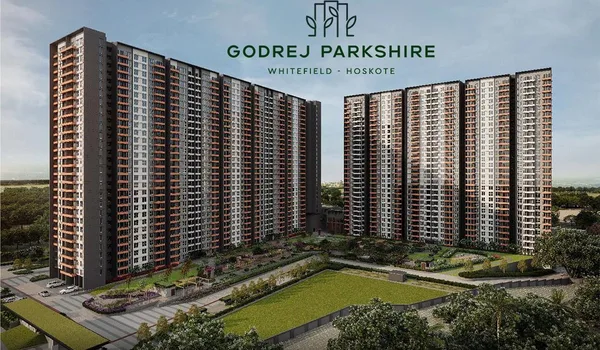
Godrej Parkshire offers 2, 3 and 4 BHK homes of roughly 1,150 to 1,750 sq ft in an under-construction mid-stage setting — the rung that suits a buyer who wants a better price than an established ready community but a more visible, shorter wait than a pre-launch commitment. Its differentiator is Godrej's design-led, greener community planning. For the rent-vs-buy calculation, a mid-stage buy has the advantage of construction-linked payment — you are not fully committed on day one, which eases the immediate financial pressure of the down payment.
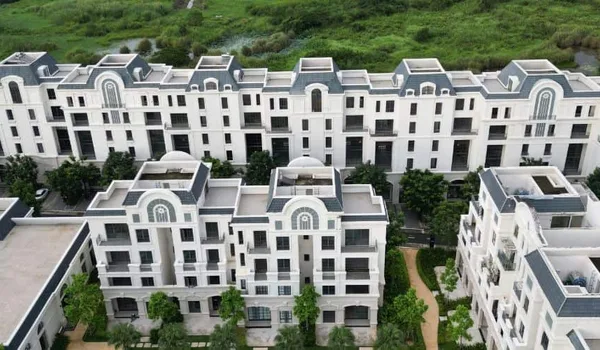
Confident Cygnus
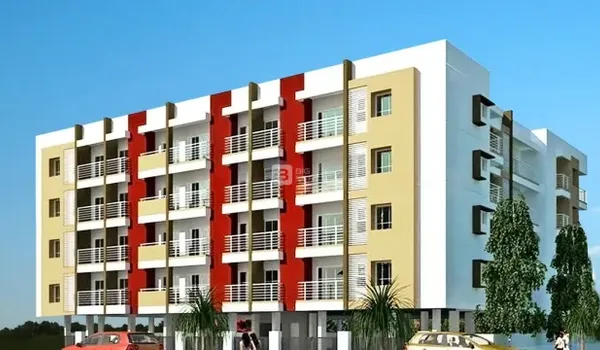
Confident Cygnus, from the Confident Group, is the buy-now, no-wait option — an established gated community with existing residents where you can move in immediately rather than waiting for construction to complete. For a renter whose personal-readiness boxes are ticked and who wants to stop paying rent today, an established ready community eliminates the construction wait and lets the break-even clock start running from month one. The honest trade-off is a higher per-square-foot rate than a pre-launch buy and availability that depends on owners choosing to sell rather than a live launch inventory.
Sowparnika Purple Rose
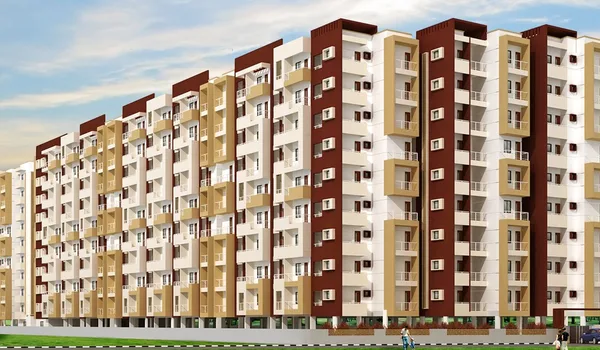
Sowparnika Purple Rose targets the affordable and mid segment, which lowers the financial readiness bar for a renter who is still building a down payment. A lower ticket price means a smaller down payment, lower stamp duty, and a more manageable EMI — which can make the rent-vs-buy break-even arrive sooner for a first-time or budget buyer than a premium township would. Its differentiator is accessibility. The honest trade-off is a lighter amenity and finish level than the branded belt; confirm current availability, khata and approval status before committing.
Making the Call
Run the decision through two filters in order. First, the stay horizon: if you are staying under four years, the transaction costs of buying make it financially harder to break even and renting is likely cheaper. If you are staying five or more years, the equity and appreciation arguments start to dominate the higher monthly outflow of an EMI. Second, financial readiness: if your down payment is below twenty percent, your EMIs are already stretched, or you have not yet secured a loan pre-approval, closing those gaps is a better use of the next few months than rushing to buy. When both filters point toward buying, the NH-75 corridor has real options at different rungs of the ladder, and our team can help you understand the current cost sheets and offers so you can make the right call — if you would like to explore it in person, we can help you book a site visit before you decide.
Frequently Asked Questions
1. Is it better to rent or buy an apartment in Hoskote in 2026?
There is no universal answer — the right choice depends on how long you plan to stay, whether your finances are ready, and what you are giving up on each side. As a rough guide: if you plan to stay for fewer than four to five years, renting is usually cheaper once you factor in the transaction costs of buying (stamp duty, registration, brokerage, interiors). If your horizon is longer and your finances are ready, buying builds equity in an asset that can appreciate, and your EMI replaces rent that would otherwise leave your hands permanently. Hoskote's early-cycle NH-75 corridor adds an appreciation argument for buyers, but renting buys time to build a stronger down payment or wait for the right unit.
2. What is the typical rent for a 2 BHK apartment in Hoskote in 2026?
As an indicative snapshot as of June 2026, a 2 BHK apartment in a gated community or established building in Hoskote rents for roughly ₹12,000 to ₹18,000 per month depending on location, building age, furnishing level and proximity to the NH-75 or KIADB belt. Town-side older buildings typically sit at the lower end; newer semi-furnished units in established gated communities sit toward the upper end. Rentals in Bengaluru typically escalate five to ten percent annually, so factor in that drift over your planned stay horizon.
3. What is the break-even horizon for buying vs renting in Hoskote?
A rough break-even horizon in Hoskote works out to approximately four to six years for a branded gated purchase, though this varies with the specific rent you are paying, the purchase price, your loan rate, expected appreciation and how you count the opportunity cost of the down payment. The standard rent-to-price ratio — where the annual rent as a percentage of the purchase price guides whether it is cheaper to rent or buy — sits around three to four percent in Hoskote, which is on the lower end and tilts the shorter-horizon decision toward renting. If you plan to stay beyond five to six years and expect early-cycle appreciation along NH-75, the buying case strengthens.
4. What hidden costs should I factor in when buying an apartment in Hoskote?
Buyers in Karnataka face stamp duty of five percent of the market value plus one percent registration charges, which on a ₹60 lakh flat adds roughly ₹3.6 lakh upfront. Add brokerage if using an agent (typically one to two percent), interiors and fit-out (₹2–5 lakh depending on scope), property tax annually, and maintenance or CAM charges to the resident welfare association monthly. GST at five percent applies on under-construction purchases (zero on OC-ready). These one-time and recurring costs lengthen the break-even horizon compared with a headline rent-vs-EMI comparison.
5. What hidden costs should a renter factor in when comparing renting to buying in Hoskote?
Renters lock up a security deposit of typically ten to twelve months' rent in Karnataka — on a ₹15,000/month flat, that is ₹1.5–1.8 lakh tied up and earning zero return in the landlord's hands. Annual rent escalation of five to ten percent compounds over time: a flat at ₹15,000/month today could cost ₹20,000–25,000 by year five. The biggest hidden cost is opportunity cost — every rupee of rent builds zero equity, whereas an EMI (after interest) builds an ownership stake. Renters retain the flexibility to move and the liquidity of their down payment, but neither of those is free — they carry a real price tag over a long stay horizon.
6. When does renting make more sense than buying in Hoskote?
Renting makes more sense when your stay horizon is under four to five years (transaction costs of buying outweigh any appreciation over a short window); when your finances are not yet ready (down payment under twenty percent, high existing EMIs, no loan pre-approval); when you are new to the corridor and want to test a neighbourhood before committing; or when you expect a job change that requires relocation. Renting also preserves liquidity — the down payment stays invested elsewhere and compounds — which matters if you have high-return investment alternatives. The flexibility premium of renting is real, but it has a price over a long horizon.
Prestige Hoskote Blog