Water & Power Supply in Hoskote Apartments 2026
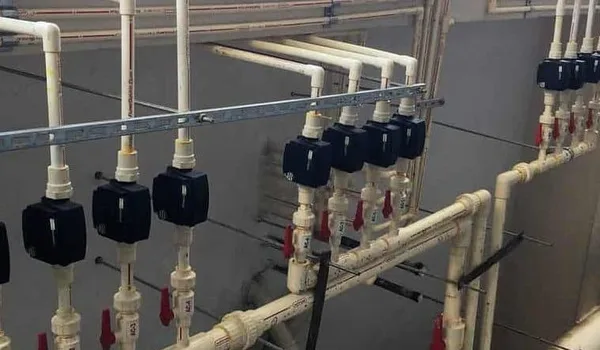
Most apartment buyers in Hoskote focus on price, floor plan and builder reputation. Water supply and power backup tend to get checked only after possession, when daily life makes the gaps apparent. This guide walks through how utility infrastructure actually works in Hoskote's gated communities in 2026, what the key differences are between project tiers, and which questions you should ask a developer before signing anything. Knowing this upfront can save significant inconvenience and unexpected costs later.
Why Utility Infrastructure Matters More in Outer Bengaluru
Hoskote lies outside the BBMP limits and outside BWSSB (Bengaluru Water Supply and Sewerage Board) service territory. Unlike central Bengaluru apartments that draw on BWSSB's Cauvery water network, Hoskote projects must arrange their own water supply. Similarly, while BESCOM (Bengaluru Electricity Supply Company) serves the Hoskote zone for grid power, the outer panchayat and village areas that host many new projects are further from the city's reinforced high-voltage grid, and power interruptions, though reducing with corridor development, remain more frequent than in inner-city BBMP areas. This makes the developer's own utility infrastructure investments a meaningful differentiator in this micro-market.
Water Supply in Hoskote: What the Reality Looks Like
Water supply in Hoskote's residential apartments comes from one or more of three sources: the Hoskote Town Municipal Council (TMC) piped network, private borewells drilled on the project site, and tanker supply during the construction or early-occupation phase while permanent systems are commissioned.
The TMC piped supply covers parts of Hoskote town and nearby layouts, but its reach and pressure can vary by location and season. Most new gated communities on the NH-75 corridor, particularly larger ones outside the town core, do not rely on TMC supply as their primary water source. Instead, they sink multiple borewells on the project land, treat the water through on-site water treatment plants (WTPs) that typically include filtration, softening and UV purification stages, and store it in large underground sumps and overhead tanks before distribution.
Township-scale projects like Prestige Hoskote by Prestige Group and Sobha One World have the land area to sink multiple borewells at appropriate depths and maintain the pumping and treatment infrastructure needed for a large resident population. This scale of investment in water infrastructure creates greater reliability than a smaller project relying on a single borewell or TMC supply. The KIADB industrial zone adjacent to the residential belt has its own separate industrial water supply managed by KIADB, which does not extend to residential projects but does indicate that the broader groundwater resource in the area is being managed.
Sewage Treatment and Water Recycling
Large gated communities in Hoskote are required to install Sewage Treatment Plants (STPs) to process wastewater on-site. The treated water, known as recycled or secondary-treated water, is used for flushing toilets and irrigating landscaping within the complex. This dual-pipe system reduces the demand on the potable borewell supply and keeps effluent out of local drainage systems.
A project with a functioning STP and dual-pipe distribution does two things that matter to buyers: it reduces the overall water volume the project must draw from borewells by 30% to 40% (since flushing and irrigation use recycled water), and it helps meet environmental compliance requirements that RERA and local authorities increasingly monitor. When evaluating projects, confirm whether the STP is sized for the full project capacity, not just the first phase, so that water recycling scales with construction.
Rainwater Harvesting
Karnataka's building regulations require rainwater harvesting pits for large projects. In a township-scale development, the harvested rainwater recharges the groundwater table and can supplement the overhead storage supply during the monsoon and post-monsoon months. This is particularly relevant in Hoskote where the area receives moderate rainfall during the southwest monsoon (June to September) and northeast monsoon (October to November). Projects that invest properly in large percolation pits across the campus get the benefit of reduced borewell pumping load during and after the rain season. Ask the developer for the number and size of rainwater harvesting pits relative to the total project area.
BESCOM Power Supply in the Hoskote Corridor
BESCOM serves the Hoskote distribution zone as part of its Eastern zone network. Grid reliability in the area has improved over the past three to four years as NH-75 development has driven investment in substation upgrades. However, buyers should understand the distinction between areas: projects located within or close to the Hoskote town core typically enjoy better grid reliability than those on the town's outskirts or in panchayat layouts where feeder infrastructure is older or lower capacity.
Scheduled load shedding, known locally as power holiday, can affect outer panchayat areas during peak summer months (March to June) when Karnataka's grid demand peaks. Depending on the feeder, this may range from one to four hours per day on affected days. Premium gated communities on the corridor generally have dedicated BESCOM feeder connections (11 kV or 33 kV service connections rather than shared low-tension distribution), which typically receive priority in the load management schedule and experience fewer interruptions than surrounding village feeder areas.
DG (Diesel Generator) Power Backup
All reputable gated communities in Hoskote provide diesel generator backup to cover power outages. The extent of coverage is the critical variable buyers should verify before purchase.
| Coverage Type | What It Means | Typical Project Tier |
|---|---|---|
| Common area only | DG covers lifts, lobby, corridor lighting, security systems and pumps. Flat power goes off during outages. | Value and mid-tier projects |
| Partial flat backup (60 to 80%) | DG covers common areas plus most flat circuits. One or two high-load circuits (AC, water heater) may be excluded. | Mid-tier and some premium projects |
| Full flat backup (100%) | DG covers all circuits in all flats plus common areas. No interruption to any electrical load during a grid outage. | Top-tier branded township launches |
Township-scale launches like those by Prestige Group, Sobha and Godrej in Hoskote typically target full or near-full flat backup in their sales specifications, though the specific DG kVA ratio per unit varies. Always ask the developer to specify: (a) total DG kVA installed, (b) DG kVA per flat equivalent, (c) whether all flat circuits or only designated circuits are backed up, and (d) what happens when DG fuel runs low (typically a contract with a diesel supplier is maintained by the facility manager). Get these commitments in writing in the sale agreement or as a project specification attachment.
Solar Power: The Growing Trend in Hoskote Townships
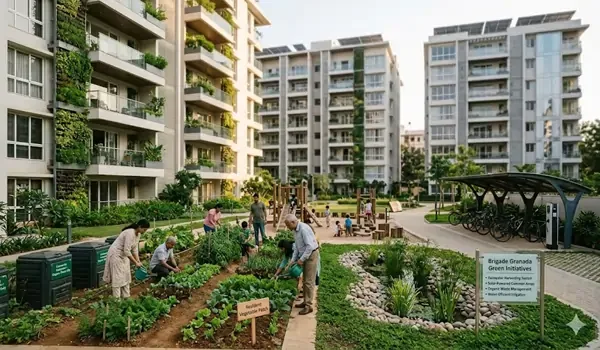
New township-scale launches increasingly incorporate rooftop solar PV (photovoltaic) systems for common-area electricity. Solar panels on building terraces and common facility rooftops can supply 20% to 40% of the project's common-area electricity needs, reducing the electricity bill drawn from BESCOM and, consequently, the solar-generated portion of the maintenance charge. Projects with grid-tied solar systems also have net-metering arrangements with BESCOM in principle, though the administrative process for residential complexes can take time to activate.
From a buyer's perspective, solar panels are a long-term maintenance cost reducer but also add an upfront capital cost to the project (which is already factored into the land and construction cost). The key question is whether the solar system is properly sized, warranted for 25 years (typical for panels) and whether the facility management contract covers inverter and panel maintenance. A poorly maintained solar system quickly becomes an unused asset.
Impact on Monthly Maintenance Charges
Water and power infrastructure directly affect what you pay in maintenance after possession. Projects with larger DG capacity, multiple borewells, STPs and solar panels have higher infrastructure capital and operating costs that are recovered through monthly maintenance charges. In Hoskote's branded township segment, maintenance charges for new projects typically range from ₹2.50 to ₹6 per sq ft per month, depending on the facilities offered and the project's utility infrastructure scale.
A higher maintenance charge is not necessarily bad if it corresponds to reliable 24x7 water, full DG backup and better landscaping. A low maintenance charge in a project with minimal infrastructure often means either inadequate services or a deferred cost bomb: charges that are artificially low initially and reset sharply upward after the RWA takes over from the developer. Ask for a projected maintenance cost breakdown, not just the headline charge, to understand what services are included.
Key Questions to Ask Before Booking
- Is the primary water source borewell or municipal (TMC) supply?
- How many borewells are planned and to what depth?
- What is the overhead storage capacity in litres per flat?
- Is a water treatment plant (WTP) included, and what is its treatment capacity?
- Is an STP present, and what percentage of treated water feeds back into the flushing and irrigation circuits?
- Is rainwater harvesting included in the layout and how many pits?
- What is the total DG capacity (kVA) installed for the project?
- What percentage of each flat's electrical load does the DG cover?
- Is solar power included for common areas, and what is the panel capacity (kWp)?
- What is the projected maintenance charge and its breakdown, including DG diesel cost estimates?
Developers who answer these questions in specifics and in writing are signalling a serious infrastructure investment. Developers who give vague answers or defer the specification to the project brochure without numerical commitments are a warning signal worth probing further.
Featured Hoskote Projects
Prestige Hoskote
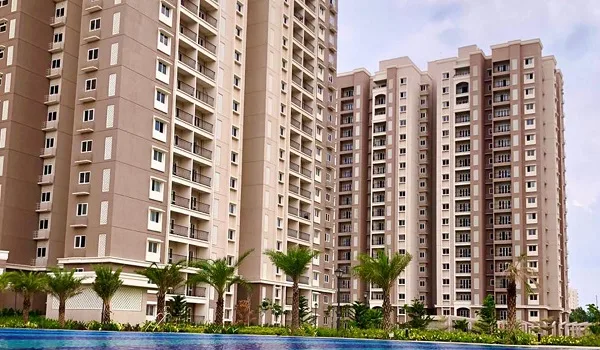
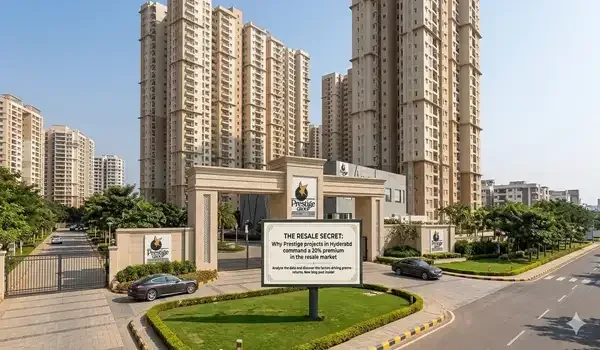
At township scale, Prestige Hoskote has the site area and developer investment to install comprehensive water infrastructure: multiple deep borewells, a full water treatment plant, large storage reservoirs and an STP for water recycling. Prestige Group's track record on facility management in its completed communities indicates that utility infrastructure is treated as a long-term asset, not an afterthought. Confirm the specific DG backup coverage and borewell capacity with the sales team and request the project specifications document. See the floor plans, price list and location, and book a site visit to see the site infrastructure firsthand.
Sobha One World

Sobha's backward-integrated model, in which structural work and most finishing materials are produced in-house, also extends to an emphasis on building services quality. Sobha projects typically invest in MEP (mechanical, electrical and plumbing) systems that are specified and supervised in-house rather than outsourced, which tends to deliver more consistent quality in water distribution piping, pump sizing and DG installation. Buyers comparing utility infrastructure should ask Sobha One World's team for its specific DG and water storage specifications.
Godrej Parkshire
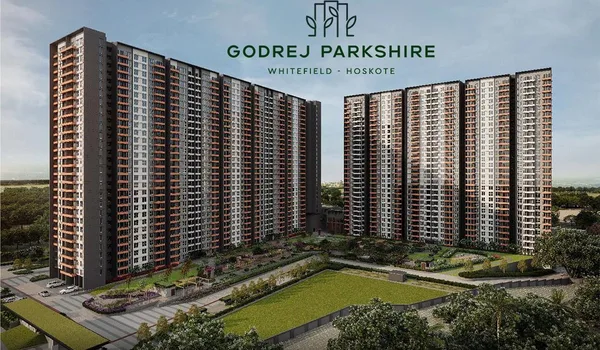
Godrej Properties is known for its transparency in project specifications, including MEP and utility details. Parkshire in Hoskote is expected to carry Godrej's standard specification for DG backup and water infrastructure, which in its active launches elsewhere in Bengaluru typically includes full or near-full flat backup DG and on-site water treatment. Confirm the Hoskote-specific specifications with the project sales team, particularly on DG kVA per flat and STP capacity.
Confident Cygnus
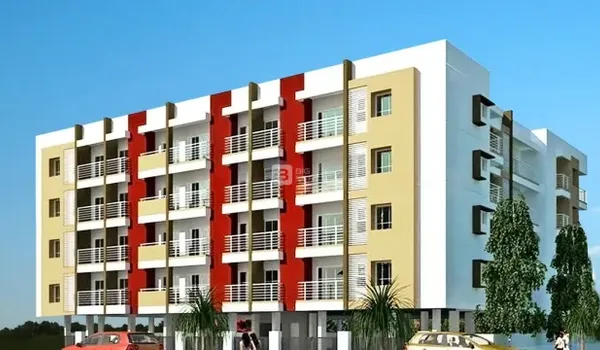
As an established and ready community in Hoskote, Confident Cygnus offers buyers the advantage of being able to assess the actual, functioning water and power infrastructure before committing. Prospective resale buyers can speak to current residents about their experience of water pressure, any past outage patterns and DG coverage reliability, rather than relying on developer promises. This makes it one of the most transparent options from a utility infrastructure standpoint in the Hoskote market.
Sowparnika Purple Rose
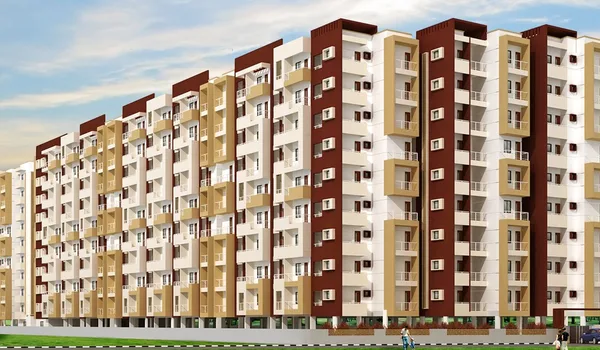
Sowparnika Purple Rose is in the value segment of the Hoskote market. Value-segment projects typically invest in the core utility infrastructure (borewells, storage, DG for common areas) but may offer less generous flat-level DG backup than premium township launches. Buyers considering this project should specifically verify the DG backup coverage per flat and whether an STP is included, as these tend to vary most in the value tier. Verify RERA registration and the project specification document before committing.
Planning for Utility Infrastructure: The Buyer's Summary
In Hoskote's outer-Bengaluru context, the developer's own investment in water and power infrastructure matters more than in inner-city BBMP locations where BWSSB and BESCOM's reinforced networks do much of the heavy lifting. A well-specified township project with multiple borewells, a proper WTP, a functioning STP, large storage and full DG backup is genuinely more liveable and less maintenance-cost-surprising than one that cuts corners. Use the checklist in this guide at every developer meeting, read the project specifications document carefully, and, if possible, visit a completed Sobha, Godrej or Prestige project elsewhere in Bengaluru to see the infrastructure standard in operation before committing to the Hoskote launch. For questions about Prestige Hoskote's specific utility infrastructure, book a site visit and discuss it with the sales team on site.
Frequently Asked Questions
1. Is water supply reliable in new apartments in Hoskote?
Reliability depends on project tier. Large township launches (Prestige Hoskote, Sobha One World) invest in multiple borewells, water treatment plants and large storage, making them largely self-sufficient. Smaller projects may rely more on TMC supply or a single borewell, which can be less consistent. Always ask for the specific water source and storage capacity before booking.
2. Which authority supplies water to Hoskote apartments?
Hoskote falls outside BWSSB service territory. Apartments depend on the Hoskote TMC piped supply, private borewells with on-site water treatment, or a combination of both. KIADB maintains a separate industrial water supply in the industrial zone, not for residential use. Large gated communities primarily rely on their own borewell infrastructure.
3. How is the BESCOM power supply in Hoskote gated communities?
BESCOM serves the Hoskote zone and grid reliability has improved significantly with corridor development. Premium projects with dedicated 11 kV or 33 kV feeder connections experience fewer interruptions. Outer panchayat areas may see one to four hours of scheduled load shedding in peak summer months, making DG backup essential for uninterrupted living.
4. Do Hoskote township projects have 100% power backup?
Top-tier branded projects typically offer 100% DG backup for common areas plus 60% to 100% per flat. Value-segment projects often cover common areas only. Confirm total DG kVA, per-flat backup percentage and which circuits are covered in writing with the developer before signing.
5. What water-related questions should I ask before booking in Hoskote?
Ask about: primary water source (borewell or TMC), overhead storage litres per flat, WTP treatment capacity, STP presence and recycling percentage, rainwater harvesting pit count, and whether the water supply is individually metered per flat. Developers with strong infrastructure give specific, documented answers.
6. How does water and power infrastructure affect maintenance charges in Hoskote?
DG diesel, STP operation, borewell pumping and water treatment running costs are all recovered in monthly maintenance charges, typically ₹2.50 to ₹6 per sq ft per month for branded projects. Projects with solar panels for common areas partially offset BESCOM bills. Ask for a detailed maintenance cost breakdown, not just the headline rate, before committing.
Prestige Hoskote Blog