Self-Employed & Business Owner Guide to Buying Apartments in Hoskote 2026

For self-employed professionals and business owners in Bengaluru, the path to a home loan and an apartment purchase runs through a different set of rules than it does for salaried employees. Banks assess income differently, documentation requirements are more involved, and the timeline from application to sanction is typically longer. Yet the opportunity in Hoskote is the same: branded township projects from Prestige Group, Sobha and Godrej at prices 35 to 50 percent below comparable products in inner Bengaluru corridors. This guide addresses the specific financial planning, documentation, loan eligibility, tax optimization and project selection considerations that apply to self-employed buyers and business owners evaluating a purchase in Hoskote.
Who This Guide Is For
This guide is relevant for buyers in any of the following categories: sole proprietors running a business under their own name; partners in a registered firm; directors or shareholders of a private limited company or LLP; independent professionals such as doctors, lawyers, architects, chartered accountants and consultants who earn fees rather than a salary; freelancers and gig economy workers with consistent annual earnings; and entrepreneurs or founders whose income flows through a business entity before reaching their personal account. The common thread is that none of these buyers has a Form 16 or a salary slip, and their income assessment for home loan purposes depends on filed income tax returns and audited business financials.
How Banks Assess Income for Self-Employed Buyers
The fundamental difference between salaried and self-employed assessment is the income figure used to determine loan eligibility. For a salaried borrower, banks use the net in-hand monthly salary as the base. For a self-employed borrower, banks examine the last two to three years of filed ITRs and compute the average annual net profit after tax. Some banks add back depreciation and other non-cash charges to arrive at a cash profit figure that more accurately reflects the actual cash available for debt servicing. The average monthly income is then derived from this annual figure, and the EMI-to-income ratio cap of 40 to 50 percent is applied to determine the maximum supportable EMI.
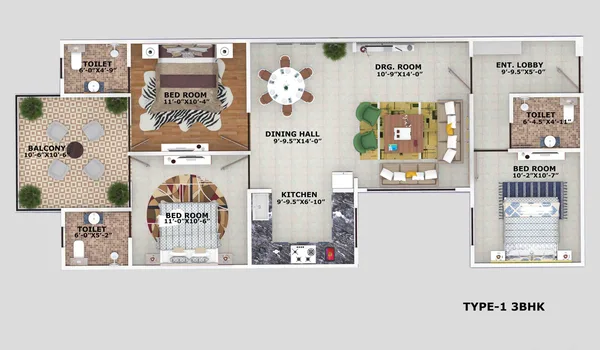
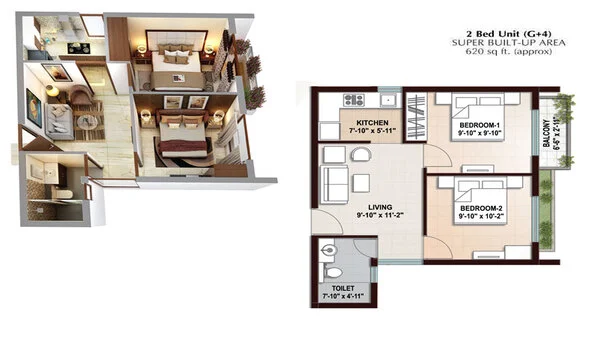
A business that shows Rs 10 lakh net profit in Year 1 and Rs 14 lakh in Year 2 will be assessed at an average of Rs 12 lakh per year, or Rs 1 lakh per month. At a 50 percent EMI-to-income ratio cap, the maximum monthly EMI supportable is Rs 50,000. At a current home loan interest rate of approximately 8.5 to 9 percent per annum and a 20-year tenure, an EMI of Rs 50,000 supports a loan of approximately Rs 52 to Rs 55 lakh. Adding a 20 percent down payment brings the eligible property value to approximately Rs 65 to Rs 69 lakh, which falls comfortably within the range of 2 BHK apartments in the Hoskote branded projects.
Income Documentation Required
| Document | Requirement | Notes |
|---|---|---|
| Filed Income Tax Returns (ITR) | Last 2 to 3 financial years with acknowledgement | Most banks require at least 2 years; some housing finance companies accept 1 year for strong profiles |
| Profit and Loss Statement | Last 2 to 3 years, CA certified | Must reconcile with filed ITR; unexplained divergence raises flags |
| Balance Sheet | Last 2 to 3 years, CA certified | Shows net worth, liabilities and business health beyond the P&L |
| Business Bank Statements | Last 12 months, primary business account | Cash flow pattern matters; large irregular credits invite questions |
| Business Existence Proof | Shop act licence, Udyam registration, partnership deed, incorporation certificate, or professional body membership | Type depends on business structure |
| GST Returns | Last 4 to 8 quarters if GST registered | GST turnover corroborates income declared in ITR; strong GST history supports higher income claims |
| Personal Bank Statements | Last 6 to 12 months, personal savings account | Lender checks the source of down payment and EMI servicing capacity |
Document requirements vary by lender. Housing finance companies often have more flexible documentation norms than scheduled commercial banks. Confirm the exact checklist with your chosen lender early in the process.
Income Stability and the 2-Year ITR Rule
Lenders place significant weight on income consistency. A self-employed buyer whose net profit has grown steadily from Rs 8 lakh to Rs 12 lakh over two years presents a stronger profile than one whose income swings from Rs 15 lakh to Rs 6 lakh and back. Banks prefer upward or stable trajectories because they reduce default risk over a 15 to 20 year loan tenure. If your most recent ITR shows a dip due to a one-time expense, a business investment, or a pandemic-era year, proactively explain the anomaly to the lender with supporting documentation. Some banks will accept a CA-certified letter explaining the income variation in context.
Buyers who have not yet filed two full years of ITR, or whose business is newer than two years, face a genuinely harder path to a conventional home loan. Options in such cases include: applying with a strong salaried co-borrower whose income alone can support a significant portion of the required loan; approaching housing finance companies that specialize in informal income assessment; or waiting until two full years of stable ITR are available before applying. Buying an apartment in a RERA-registered project on a payment plan and then applying for a loan later, once the documentation is complete, is another route that some buyers take with developer financing as a bridge.
Tax Benefits for Self-Employed Buyers
Self-employed buyers under the old tax regime can claim the same Section 80C and Section 24b deductions as salaried buyers, though the mechanics of claiming them differ slightly through the ITR filing process rather than through Form 16.
Section 80C: The principal component of home loan EMI repaid during the financial year is deductible up to Rs 1.5 lakh, shared with other 80C instruments such as PPF, life insurance premiums and ELSS mutual funds. Stamp duty and registration charges paid at purchase are also deductible under 80C in the year of payment, within the same Rs 1.5 lakh combined ceiling.
Section 24b: Home loan interest paid on a self-occupied residential property is deductible up to Rs 2 lakh per financial year. For a self-employed buyer in the 30 percent tax bracket with business income above approximately Rs 15 lakh per year, the combined 80C and 24b deductions can reduce annual tax outgo by Rs 1.1 to Rs 1.4 lakh per year.
Joint ownership benefit: If a spouse is also a co-owner and co-borrower, and has independent income, both can independently claim the 80C and 24b deductions, doubling the household tax benefit. A self-employed husband and salaried wife who jointly purchase a Hoskote apartment and jointly borrow can together claim up to Rs 3 lakh in 80C and Rs 4 lakh in 24b deductions annually.
New tax regime note: Section 80C and 24b deductions are not available under the new simplified tax regime. A self-employed buyer whose total tax outgo under the old regime with home loan deductions is lower than under the new regime should stay in the old regime for the loan tenure. Run the numbers with a chartered accountant before choosing a regime for the purchase year.
Should You Buy in Your Name or Through a Business Entity?
A common question from business owners and company directors is whether to buy the residential apartment through the company or LLP, potentially using pre-tax business funds. The practical answer for a residential apartment intended as a personal home is almost always: buy in your individual name, not through the business entity.
Company-owned residential property does not qualify for Section 80C or 24b individual income tax deductions. If the company lets the property to the director for personal use, it creates a perquisite liability. The eventual exit involves either selling the property at company level (with the gain taxed at corporate rates and distributed profits facing additional tax) or distributing the asset to shareholders, both of which are less efficient than a simple individual sale. Unless the property is genuinely for business purposes such as a registered office or a staff accommodation facility, the individual-name purchase is the cleaner, simpler and more tax-efficient structure.
Co-Borrower Strategy to Maximise Eligibility
The most effective tool for a self-employed buyer whose assessed income produces a lower loan eligibility than needed is a strong salaried co-borrower. Adding a spouse or immediate family member who is salaried allows the lender to club both incomes for eligibility assessment. The co-borrower must also be a co-owner of the property. This structure produces three simultaneous benefits: higher loan eligibility from the combined income, doubled tax deductions if both borrowers have taxable income, and a clearer title with two joint owners on the sale deed. Verify all projects under consideration on K-RERA before finalising your shortlist, as RERA-registered projects process co-borrower home loans most smoothly through partner lenders.
Choosing the Right Lender
Not all lenders treat self-employed income the same way. Scheduled commercial banks such as SBI, HDFC Bank, ICICI Bank and Axis Bank have well-established but somewhat rigid self-employed assessment frameworks. Housing finance companies such as HDFC Ltd (now merged with HDFC Bank), LIC Housing Finance, PNB Housing Finance and Bajaj Housing Finance often have more flexible income assessment norms and broader acceptance of non-standard documentation, making them a better first stop for buyers whose income profile does not fit neatly into standard bank templates. The interest rates at housing finance companies can be marginally higher than the best bank rates, but the trade-off in processing certainty is often worth it for self-employed buyers.
Developer channel finance teams at projects like Prestige Hoskote have relationships with multiple lenders and can guide self-employed buyers toward the lender most likely to process their profile efficiently. This shortcut is free of charge and can save significant time compared to approaching lenders cold.
Featured Hoskote Projects
Prestige Hoskote
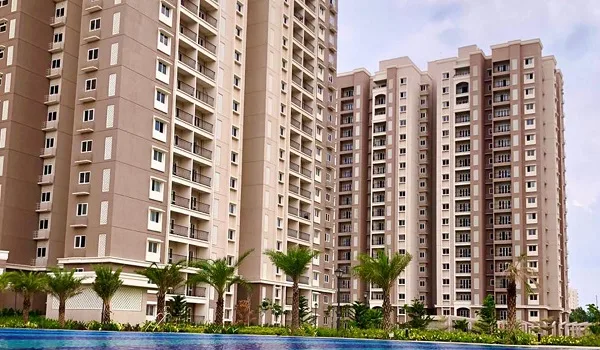
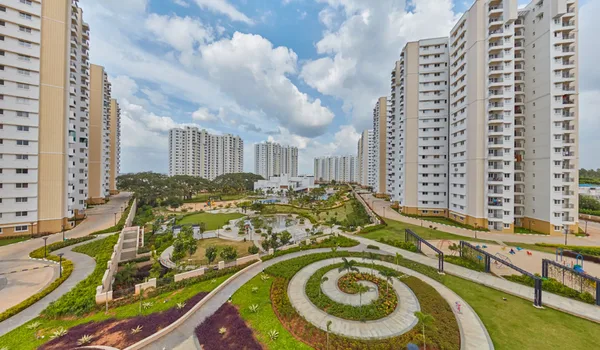
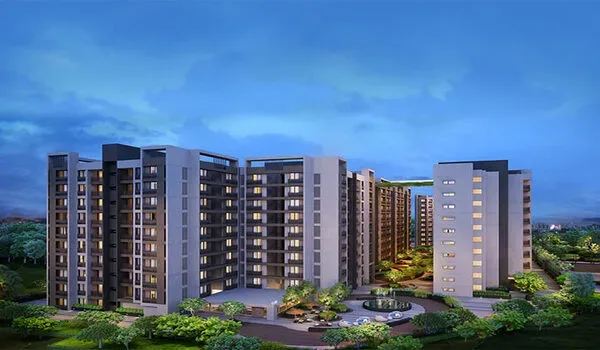
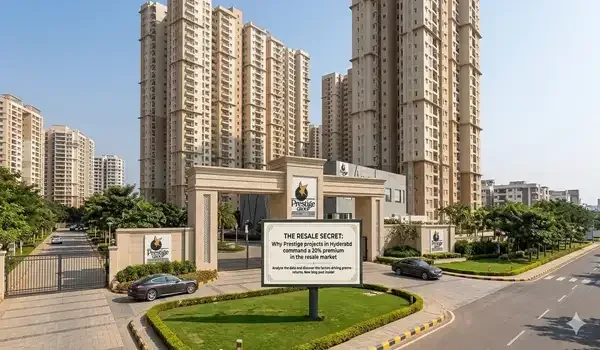
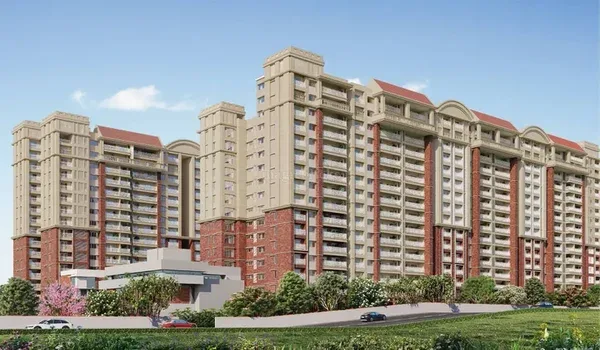
Prestige Hoskote is the flagship pre-launch township on the NH-75 outer-east corridor by Prestige Group. For self-employed buyers and business owners, the Prestige brand brings the highest lender confidence: virtually every major bank and housing finance company has Prestige Hoskote on its pre-approved project list, which speeds up loan processing significantly. Explore the floor plans, check the current price list, review the location and book a site visit.
Sobha One World

Sobha One World is an active launch on the NH-75 belt with Sobha's backward-integrated construction quality as its primary differentiator. Self-employed buyers who have purchased or considered Sobha properties elsewhere in Bengaluru will find consistent brand standards here. Sobha's lender relationships are strong, and its transparent RERA-compliant payment schedule makes income documentation requirements predictable and manageable for self-employed buyers planning their cash flow.
Godrej Parkshire

Godrej Parkshire by Godrej Properties brings the group's transparent delivery track record to the Hoskote corridor. For self-employed buyers who are particularly concerned about delivery risk, Godrej's history of on-schedule possession in its Bengaluru projects reduces the uncertainty inherent in under-construction apartment purchases. Godrej projects are consistently pre-approved by the major housing finance companies.
Confident Cygnus

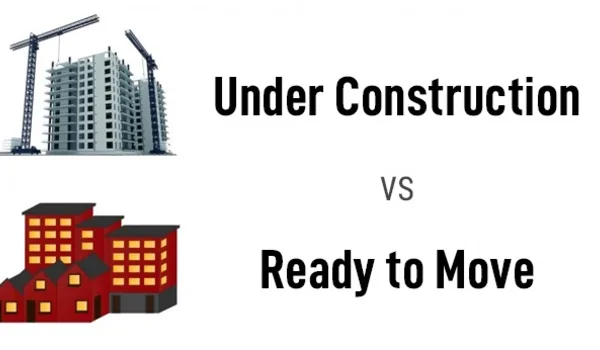
For self-employed buyers who can demonstrate income but want to begin claiming home loan tax deductions from the current financial year rather than waiting for a 2028 to 2030 possession, Confident Cygnus is the most accessible ready-to-move option in Hoskote. Ready possession removes construction risk and allows the Section 24b interest deduction to apply from the first EMI rather than being deferred to a five-year instalment post-possession as it would be for an under-construction property. Verify OC, khata and encumbrance status before proceeding.
Sowparnika Purple Rose
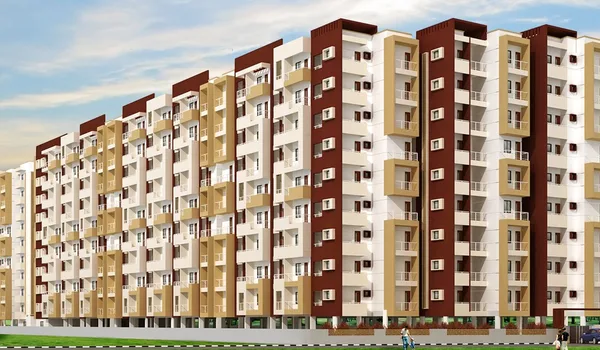
Sowparnika Purple Rose is the value-segment option for self-employed buyers whose assessed income produces a lower loan eligibility and who need a project priced below Rs 45 to Rs 55 lakh. At this price point, the tax deductions on the home loan are proportionately the same and the appreciation potential from the Hoskote corridor is equally available. For a self-employed buyer making their first real estate purchase and building their ITR track record simultaneously, a smaller first purchase at Sowparnika can be a pragmatic entry point before upgrading later.
Key Steps for a Self-Employed Buyer in Hoskote
- File your ITR on time for the last two to three financial years and ensure the income declared is consistent with your bank statements and business account activity
- Get your P&L and balance sheet CA-certified for the same years; ensure they reconcile cleanly with the filed ITRs
- Calculate your likely home loan eligibility based on average net profit after tax, applying a 45 to 50 percent EMI-to-income ratio cap, before shortlisting projects
- Explore housing finance companies alongside banks; their self-employed assessment norms are often more accommodating and their pre-approved project lists cover all the major Hoskote launches
- If your income assessed by the bank is insufficient, evaluate adding a salaried co-borrower and ensure both names appear on the sale deed
- Buy in your individual name for a residential apartment; avoid the company ownership route unless the purpose is explicitly business use
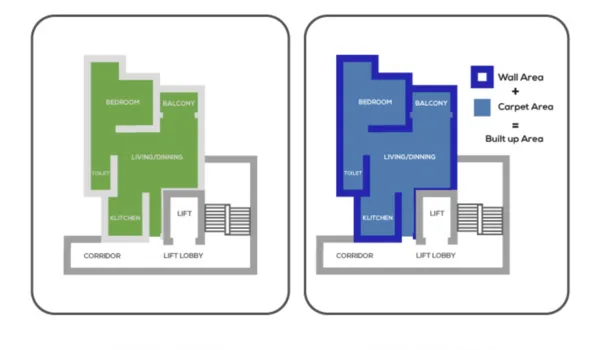
- Verify all shortlisted projects on K-RERA and confirm the RERA registration number, carpet area disclosure, completion date and any complaint or delay history
- Plan the 80C and 24b deduction impact into your tax filing; discuss with a chartered accountant whether the old tax regime is more beneficial than the new regime for the loan tenure given your specific income and deductions profile
A self-employed buyer who prepares the documentation in advance and approaches the right lenders has access to the same Hoskote opportunities as any salaried buyer. The process is more involved but the outcome, a branded township apartment at a price 35 to 50 percent below inner Bengaluru corridors, is the same. Book a site visit at Prestige Hoskote to evaluate the corridor and the project in person.
Frequently Asked Questions
1. Can a self-employed person get a home loan for a Hoskote apartment?
Yes. Sole proprietors, partners, directors and professionals all qualify — the key is 2 to 3 years of filed ITRs showing stable net income.
2. What income documents does a self-employed buyer need for a home loan?
Filed ITR for 2-3 years, CA-certified P&L and balance sheet, last 12 months of business bank statements, business existence proof and GST returns if registered.
3. How does a bank calculate home loan eligibility for a self-employed buyer?
Banks average net profit from the last 2 ITRs, apply a 40 to 50 percent EMI-to-income cap on the monthly equivalent, and calculate the eligible loan at current rates.
4. What are the tax benefits for a self-employed buyer in Hoskote?
Under the old regime: 80C up to Rs 1.5 lakh on principal and 24b up to Rs 2 lakh on interest; joint co-borrowers each claim independently. Not available under the new regime.
5. Should I buy the apartment in my name or through my company?
Always buy in your individual name for a personal home — company ownership loses 80C and 24b deductions, creates perquisite liability and complicates resale.
6. Can a self-employed buyer use a co-borrower to increase eligibility?
Yes. A salaried co-borrower's income is clubbed with yours to raise combined eligibility — the co-borrower must also be a co-owner on the sale deed.
Prestige Hoskote Blog