Home Insurance Guide for Apartment Buyers in Hoskote 2026

Most apartment buyers in Hoskote spend months researching property prices, RERA status and loan eligibility, but home insurance rarely gets more than an hour of attention. This is a significant oversight. An apartment is typically the single largest financial asset a family owns, and the one event that can destroy it completely, whether fire, flood, earthquake or burglary, is exactly what insurance addresses. For buyers taking a home loan, a basic fire policy is already a mandatory condition of disbursement. For those buying without a loan, insurance remains strongly advisable. This guide covers everything you need to know: what is covered, what is not, how premiums are calculated, which insurers offer strong products in India, how to file a claim, and the most common mistake that leaves buyers financially exposed even after they have paid for a policy.
Why Home Insurance Matters for Apartment Buyers
The financial case for home insurance is straightforward. If a fire destroys your apartment entirely, rebuilding the structure at current construction costs in Bengaluru runs approximately Rs 2,500 to Rs 4,000 per sq ft for a standard finish. A 1,200 sq ft apartment would cost Rs 30 to Rs 48 lakh to rebuild from scratch, on top of the original purchase price. If the same event also destroys your furniture, electronics, appliances and personal belongings, the total loss can easily reach Rs 40 to Rs 65 lakh or more. A combined home insurance policy covering structure and contents typically costs Rs 3,000 to Rs 8,000 per year for a property of this size. The premium-to-risk ratio is among the most compelling of any insurance product a household can buy.
For buyers taking a home loan, the lender's mandatory fire policy typically covers only the structural value and names the bank as the primary loss payee. This protects the bank's security interest but does not protect your contents or your equity above the outstanding loan amount. A separate or comprehensive policy covering contents and full reinstatement value is the buyer's own responsibility to arrange.
Two Types of Cover: Structure and Contents
Home insurance in India is divided into two main components. Understanding the distinction between them helps you buy the right cover at the right sum insured.
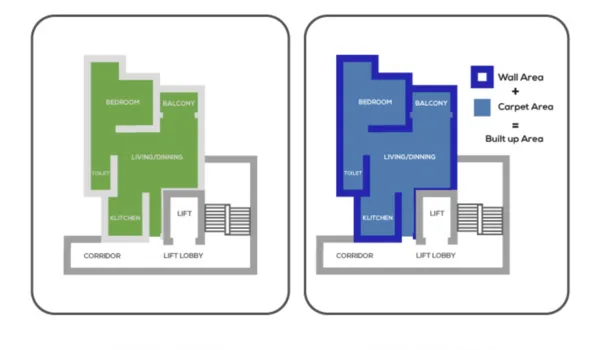
Structure insurance covers the physical fabric of your apartment: the walls, floors, ceiling, built-in fixtures, plumbing and electrical installations permanently attached to the flat, doors and windows, and your proportionate share of the common building structure. The sum insured should reflect the reconstruction cost of the apartment at current rates, not the purchase price or market value. Purchase price includes land value, developer profit and market premium, none of which determine how much it costs to rebuild the physical structure. Insuring at market value overpays; insuring at depreciated book value undercovers. Ask a local contractor or civil engineer to provide a reconstruction cost estimate before setting the sum insured.
Contents insurance covers moveable belongings inside the flat. This includes furniture and furnishings, home appliances (refrigerator, washing machine, air conditioners), consumer electronics (televisions, laptops, tablets, gaming consoles), clothing and personal effects, kitchenware and crockery, jewellery up to a specified sub-limit (typically Rs 1 to Rs 2 lakh unless a higher limit is declared and supported by a valuation certificate), and valuable documents like passports, educational certificates and insurance policies. Prepare a room-by-room inventory with estimated values before deciding on the contents sum insured.
What Is and Is Not Covered
| Peril or Event | Typically Covered | Notes |
|---|---|---|
| Fire and allied perils (lightning, explosion, implosion) | Yes | Core cover in all standard policies |
| Earthquake | Yes (most standard policies) | Confirm it is explicitly listed in the policy schedule; some older policies require it as a rider |
| Flood and inundation | Yes (most standard policies) | Hoskote has low flood risk historically but verify cover is included |
| Storm, cyclone, tempest, typhoon, hurricane | Yes | Core allied peril cover |
| Riot, strike, malicious damage | Yes | Included in standard allied perils; some exclusions for politically motivated events |
| Burglary and theft (structure damage) | Yes (structure) | Covers forced-entry damage to the flat's physical structure |
| Theft of contents | Yes (with contents cover) | Typically requires signs of forced entry; simple pilferage is often excluded |
| Terrorism | No (by default) | Available as an optional rider for an additional premium |
| General wear and tear, gradual deterioration | No | Not insurable; maintenance is the owner's responsibility |
| Wilful damage or negligence | No | Standard exclusion across all insurers |
| Pre-existing damage at policy inception | No | Report and document any existing cracks or water damage before buying a policy |
| Consequential losses (rent lost while flat is uninhabitable) | No by default | A few premium policies offer a temporary accommodation or loss-of-rent rider |
| Mechanical or electrical breakdown of appliances | No | Covered under separate appliance or extended warranty products, not home insurance |
How Premiums Are Calculated
Home insurance premiums in India are calculated as a percentage of the sum insured, ranging from approximately 0.03% to 0.15% per year depending on the type of cover, construction type of the building, location and optional riders. Reinforced concrete frame construction (which all major branded apartments in Hoskote use) attracts the lowest premium rates. Older buildings or those with older electrical wiring may attract higher rates.
| Cover Type | Indicative Annual Premium Rate | Example: Rs 60L structure + Rs 10L contents |
|---|---|---|
| Structure only (fire and allied perils) | 0.03% to 0.06% of structure sum insured | Rs 1,800 to Rs 3,600 per year |
| Contents only | 0.05% to 0.10% of contents sum insured | Rs 500 to Rs 1,000 per year |
| Combined structure and contents | Blended rate | Rs 2,500 to Rs 5,500 per year (indicative) |
| Long-term single premium (15 to 30 years) | Discounted vs annual renewals | Often offered by banks at loan disbursement; compare with standalone insurers before committing |
Premium rates indicative as of July 2026. Final premium depends on insurer, building age, exact cover and riders selected. Compare at least three quotes before purchasing.
Top Insurers for Home Insurance in India
Several general insurance companies offer strong home insurance products in India. The major options include HDFC Ergo (wide network, strong online claim support), Bajaj Allianz General Insurance (comprehensive cover options, fast settlement track record), ICICI Lombard General Insurance (broad allied perils list, good digital interface), New India Assurance (government-backed insurer with wide reach, often competitive on structure-only policies), and National Insurance Company (another government insurer with established presence in Karnataka). All are regulated by the Insurance Regulatory and Development Authority of India (IRDAI). Compare on the specific perils covered, sum insured flexibility, contents sub-limits for jewellery and electronics, claim settlement ratio published by IRDAI annually, and premium cost before deciding. Do not choose purely on premium: a policy that excludes earthquake or has a very low jewellery sub-limit may cost less but cover significantly less.
The Claim Process: Step by Step
Knowing the claim process before you need it saves significant stress when a loss occurs. The standard process for home insurance claims in India works as follows.
- Step 1: Notify the insurer immediately on their 24-hour claims helpline. Most policies require notification within 24 to 48 hours of the event. Delay can jeopardise the claim.
- Step 2: Document everything before cleanup or repair. Photograph or video the damage from multiple angles. Prepare a written list of damaged or lost items with estimated values. Do not discard damaged items until the insurer's surveyor has inspected them.
- Step 3: For theft, burglary, riot or malicious damage, file a First Information Report (FIR) with the local police station immediately. The FIR is a mandatory document for these claim types.
- Step 4: Submit the insurer's claim form along with your policy document, photographs, FIR copy if applicable, purchase receipts or invoices for damaged contents items, and repair or replacement cost estimates from licensed contractors or vendors.
- Step 5: Cooperate with the insurer's licensed surveyor, who will inspect the damaged property and assess the quantum of loss. For larger claims, a surveyor appointment typically happens within 48 to 72 hours of claim notification.
- Step 6: Once the surveyor's report is accepted, the settlement amount is transferred directly to your bank account. Standard claims settle within 15 to 30 working days. Disputed or complex claims take longer; insurers must provide a written reason for any rejection or partial settlement.
The Underinsurance Trap
The most common and costly home insurance mistake is underinsurance: insuring the structure at the original purchase price or at an outdated figure instead of the current reconstruction cost. Consider a buyer who purchased a Hoskote apartment in 2023 at Rs 45 lakh and insured the structure at that value. By 2026, construction costs have risen and the actual cost to rebuild the same structure from scratch is Rs 58 lakh. If a fire causes Rs 40 lakh worth of damage, the insurer applies the average clause: the claim payout is reduced proportionately because the insured value (Rs 45L) is lower than the reconstruction value (Rs 58L). The buyer recovers approximately Rs 31 lakh instead of the full Rs 40 lakh claimed, a shortfall of Rs 9 lakh created entirely by underinsurance.
The fix is simple: review and update the sum insured every two to three years or whenever you carry out significant home renovation or addition. Ask your insurer about the reinstatement value basis (covers cost of rebuilding to the same standard) versus the indemnity basis (covers market value minus depreciation). Reinstatement cover is always preferable for a property you plan to live in or let out long-term.
Featured Hoskote Projects
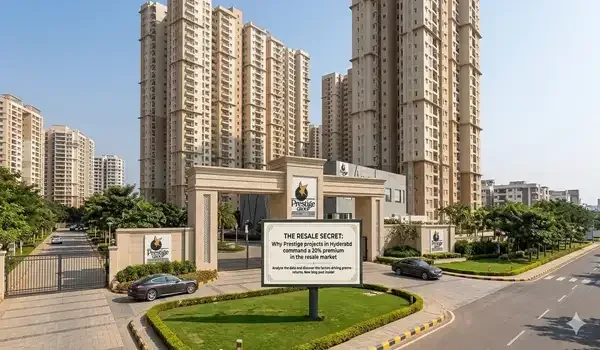
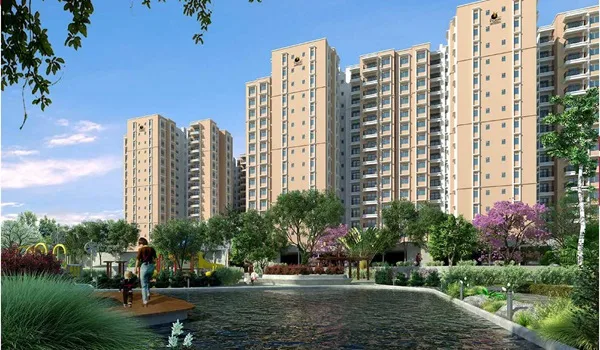
Prestige Hoskote
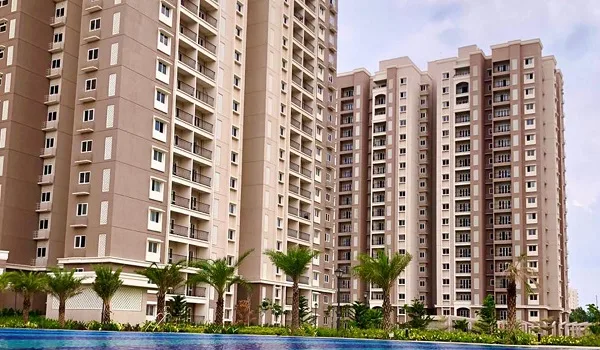
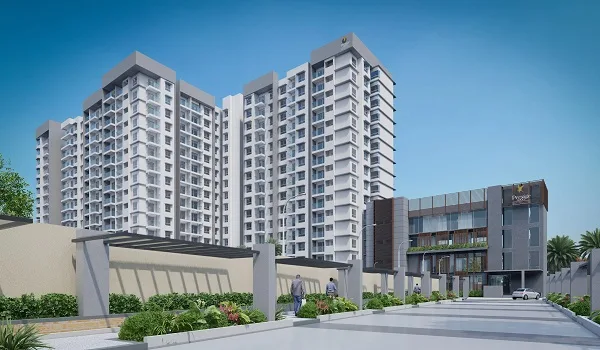
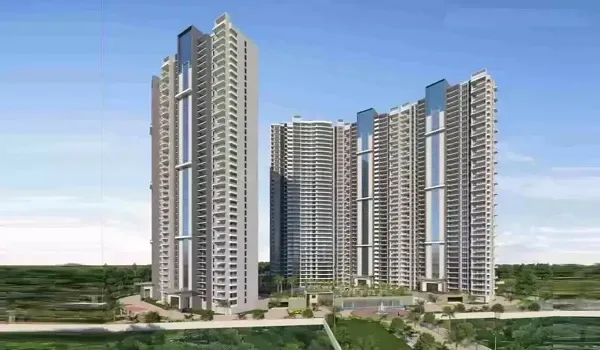
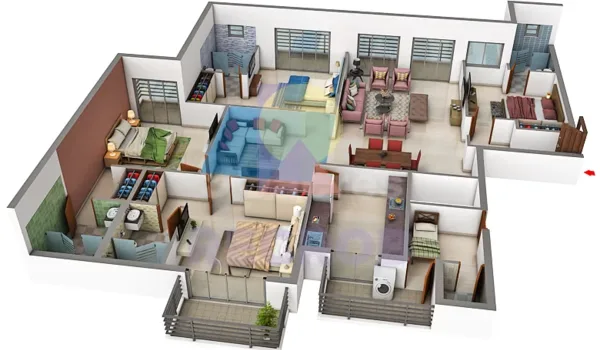
Prestige Hoskote is the flagship pre-launch township on the NH-75 outer-east corridor by Prestige Group. All projects listed on K-RERA carry mandatory escrow protection and disclosure requirements that reduce your financial risk during the construction phase. Prestige Hoskote's RCC frame construction will qualify for the lowest home insurance premium tier once you take possession. Review the floor plans, check the price list, understand the location and book a site visit.
Sobha One World

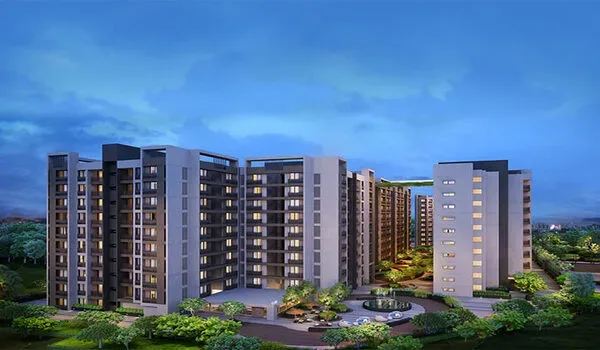
Sobha One World is built with Sobha's backward-integrated construction model: in-house steel, concrete, doors and fixtures. This approach typically produces above-average structural integrity, which is directly relevant to home insurance: a well-constructed RCC frame building carries lower fire and structural damage risk than older or poorly built alternatives, often reflected in slightly more competitive premium quotes from surveyors.
Godrej Parkshire
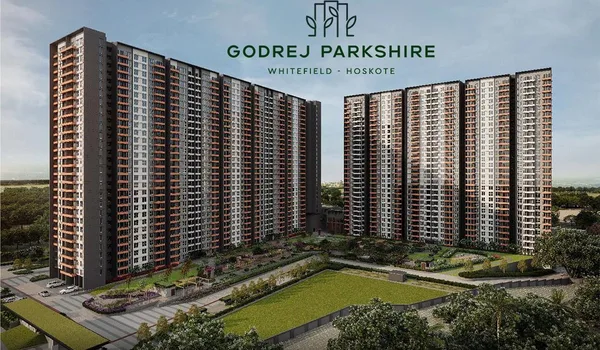
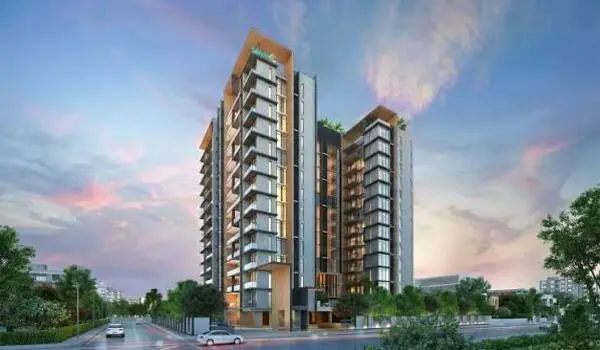
Godrej Parkshire brings Godrej Properties' design and compliance standards to the Hoskote corridor. Godrej's transparent RERA-compliant processes mean that structural specifications, fire safety systems and building plan approvals are fully documented, making it straightforward to obtain accurate reconstruction cost estimates for insurance purposes at the time of possession.
Confident Cygnus
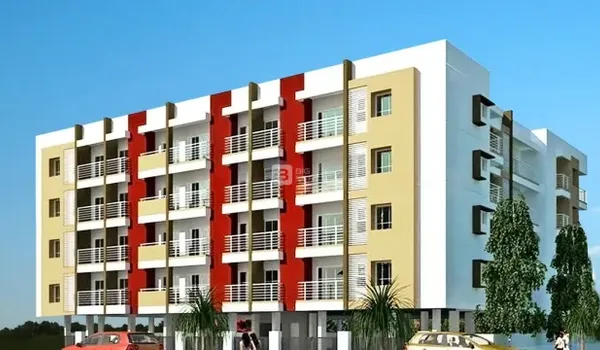
Confident Cygnus is one of the very few ready gated communities in Hoskote. For buyers purchasing a resale unit in this project, home insurance is relevant from day one, not from a future possession date. Obtain the building's age, fire safety certificate and OC from the seller before purchase, as these documents will be required when applying for the insurance policy and will affect the premium rate for older buildings.
Sowparnika Purple Rose
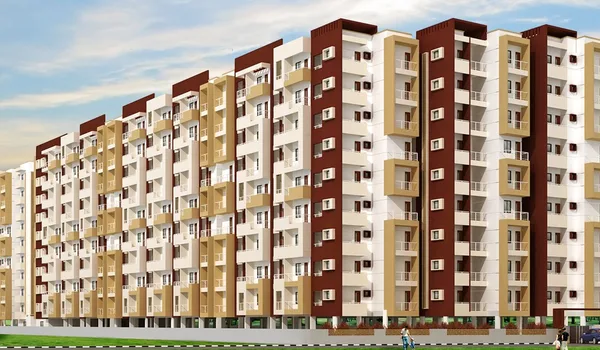
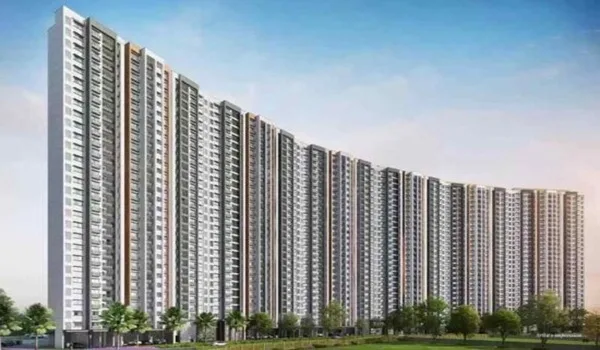
Sowparnika Purple Rose is the value-segment option in the Hoskote micro-market. Buyers at this price point often underestimate the importance of home insurance precisely because the purchase price is lower. A fire or flood causing Rs 25 to Rs 35 lakh of total loss in a value-segment apartment is no less financially devastating than the same in a premium project. Insure at full reconstruction and contents replacement value regardless of the original purchase price.
Checklist Before You Buy a Home Insurance Policy
- Get a reconstruction cost estimate from a local contractor; do not use purchase price as the structure sum insured
- Prepare a room-by-room contents inventory with estimated replacement values
- Check whether earthquake cover is explicitly included or needs to be added as a rider
- Confirm the jewellery sub-limit and whether a separate valuation certificate is required for higher-value items
- Compare claim settlement ratios published by IRDAI for at least three insurers before buying
- Ask about the reinstatement value basis versus indemnity basis; always prefer reinstatement
- For loan-linked policies offered by the bank at disbursement, compare the premium with a standalone policy from a general insurer before accepting the bank's product
- Set a calendar reminder to review and update the sum insured every two to three years
Frequently Asked Questions
1. Is home insurance mandatory for apartment buyers in Hoskote?
Not by law, but effectively mandatory with a home loan: lenders require at minimum a fire and allied perils structure policy as a condition of disbursement. For buyers purchasing without a loan, insurance is voluntary but strongly advisable given the financial exposure involved.
2. What does home insurance cover for an apartment in India?
Structure cover protects the physical flat against fire, lightning, explosion, earthquake, flood, storm, riot and burglary-caused structural damage. Contents cover protects moveable belongings including furniture, electronics, appliances, clothing and jewellery up to a stated limit. Wear and tear, pre-existing damage, wilful destruction and consequential losses are excluded.
3. How much does home insurance cost for an apartment in Hoskote?
Indicative annual premiums range from 0.03% to 0.15% of the insured value. For a Rs 60 lakh structure with Rs 10 lakh of contents, expect approximately Rs 2,500 to Rs 5,500 per year for combined cover. Long-term single-premium policies over 15 to 30 years are often cost-effective. Compare quotes from at least three insurers (July 2026 guidance).
4. What is the difference between structure insurance and contents insurance for apartments?
Structure insurance covers the physical fabric of the flat: walls, floors, ceiling, fixtures and fittings permanently attached to the building. Contents insurance covers moveable items inside: furniture, appliances, electronics, clothing and jewellery up to a sub-limit. Both can be purchased together in a combined policy.
5. Can I get home insurance for an under-construction apartment in Hoskote?
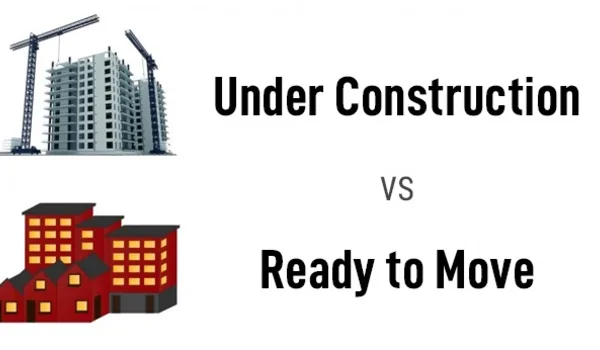
The developer covers the building during construction. Your personal policy covering your flat and contents typically activates at possession or OC issuance. Some insurers offer buyer's interest protection for under-construction property; check eligibility and scope before purchasing. Verify the developer's master insurance arrangement via the project's K-RERA documents.
6. How do I file a home insurance claim in India?
Notify the insurer immediately on their 24-hour helpline, photograph all damage before cleanup, file a police FIR for theft or malicious damage, submit the claim form with photographs, FIR, receipts and repair estimates, cooperate with the surveyor, and receive settlement within 15 to 30 working days. Never discard damaged items before the surveyor inspects them.
Prestige Hoskote Blog